
Unlocking the Secret to Luscious Locks: How Biotin Supports Hair Strength from Within
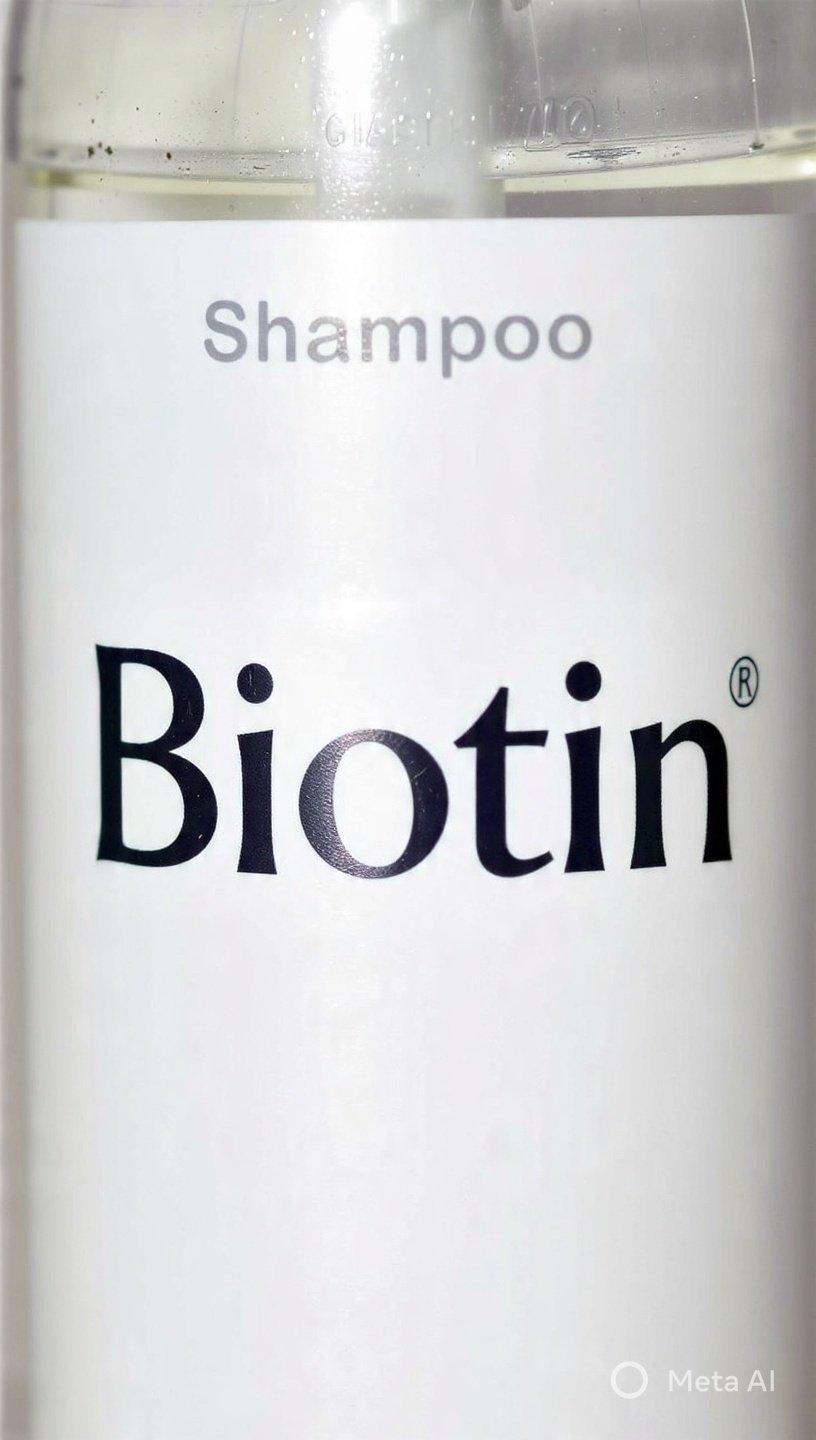
Biotin shampoo is marketed for thicker, faster hair growth, but evidence questions its real impact when applied topically. This blog dives into "does biotin shampoo work for hair growth 2025," examining science-backed benefits and realistic expectations.
INGREDIENTS BASEDSCALP NOURISHMENTSHAMPOOHAIRCARE
Shineweneed Editor
12/23/20257 min read
Understanding Biotin: The Essential Vitamin for Hair Health
Biotin, also known as Vitamin B7, is a water-soluble vitamin that plays a critical role in various biological functions, particularly in the synthesis of fatty acids, glucose metabolism, and the production of amino acids. This vitamin is crucial for maintaining the health of not just the hair, but also the skin and nails. Biotin acts as a coenzyme in several metabolic processes, which underscores its importance in sustaining overall health.
One of the most significant benefits of biotin is its contribution to healthy hair growth and strength. It is instrumental in the production of keratin, a key structural protein that forms the foundation of hair. Keratin helps to strengthen hair and protect it against damage, thereby promoting resilience and luster. Studies suggest that biotin supplementation can improve hair's overall thickness and texture, making it an essential nutrient for individuals experiencing hair thinning or brittleness.
Moreover, incorporating adequate biotin into your diet is vital to ensure optimal hair health. While biotin deficiency is relatively rare, its effects can be detrimental. Insufficient levels of biotin can lead to symptoms such as hair loss, dry skin, and brittle nails. Therefore, obtaining sufficient amounts of biotin from food sources, such as eggs, nuts, seeds, and green leafy vegetables, is recommended. For those who may struggle to meet their biotin needs through diet alone, biotin supplements can serve as an effective alternative.
In conclusion, biotin is an essential vitamin that supports hair health through enhanced keratin production, encouraging stronger and healthier locks. Understanding the importance of biotin can empower individuals to make informed choices regarding their nutritional intake and hair care regimen.
The Role of Keratin in Hair Strength: How Biotin Plays a Part
Keratin is a fundamental structural protein that plays a pivotal role in the composition and functionality of hair. As the primary component of hair, keratin provides the necessary strength, resilience, and texture, allowing strands to withstand environmental stressors such as UV radiation, pollution, and heat exposure. Understanding the importance of keratin is essential as it aids in preventing damage, reducing breakage, and promoting overall hair vitality.
Biotin, a water-soluble B-vitamin, is primarily known for its significant contribution to improved hair health. It supports the synthesis of keratin, directly influencing the quality and strength of hair strands. The relationship between biotin and keratin is particularly interesting; as biotin enhances the production of keratin, it effectively empowers hair growth from within. This internal boost is critical for individuals seeking to enhance their hair’s texture and strength while minimizing brittleness and thinning.
It is crucial to recognize that hair health is not solely reliant on external treatments, but rather begins with internal nourishment. By ensuring adequate biotin intake through diet or supplementation, individuals can promote keratin production, thereby enhancing hair integrity and shininess. Foods rich in biotin include eggs, nuts, and seeds, which are known to encourage optimal keratin levels. When the body receives sufficient biotin, it facilitates a more robust keratin structure, helping to lock moisture in the hair and allowing strands to appear fuller and healthier.
In conclusion, biotin serves as an essential nutrient that significantly contributes to keratin production, ultimately supporting hair strength and resilience. By focusing on strengthening hair from within, individuals can seek to foster a healthier appearance and prevent breakage effectively.
Dietary Sources of Biotin: How to Incorporate It into Your Meal Plan
Biotin, a B-vitamin known for its role in supporting healthy hair, skin, and nails, can be found in a variety of foods. By incorporating biotin-rich items into your diet, you can ensure that your body receives the necessary nutrients to promote hair strength from within.
One of the most notable sources of biotin is egg yolks. Including eggs in your breakfast not only provides an excellent protein source but also adds substantial amounts of biotin to your meal. Whether scrambled, poached, or boiled, eggs can be a versatile addition to various dishes.
Nuts and seeds also offer an impressive amount of biotin, especially almonds, walnuts, and sunflower seeds. These snacks can easily be integrated into your daily routine. Simply add a handful to your morning yogurt or oatmeal to enhance your intake of this essential nutrient.
Fish, particularly salmon and tuna, are not only beneficial for heart health but also rich in biotin. Including these fish in your weekly meal plan can not only diversify your diet but also significantly contribute to your biotin levels. Grilled salmon can serve as a delicious dinner option.
Lastly, whole grains such as oats, barley, and brown rice are important dietary sources of biotin as well. They can be incorporated into breakfast cereals or as side dishes with lunch and dinner, providing both satiety and nutritional benefits.
By consciously including these foods in your meal planning, you can maintain adequate biotin levels and support your hair's health and strength. It's essential to adopt a balanced diet that features sources rich in biotin alongside other nutrients for optimal results.
Biotin, a water-soluble B-vitamin, plays a pivotal role in maintaining healthy hair, skin, and nails. Its significance in overall hair health has led many individuals to consider biotin supplements for promoting robust hair growth. But are these supplements truly necessary for achieving luscious locks?
Research indicates that biotin deficiency can lead to hair loss; however, the prevalence of such deficiency is relatively low in the general population. Most individuals derive sufficient biotin from a balanced diet that includes nuts, eggs, and whole grains. Consequently, while biotin supplementation can be beneficial for those who are deficient, its necessity for overall hair growth in healthy individuals remains a topic of debate.
The typical recommended dosage for biotin supplementation ranges from 30 to 100 micrograms per day, although some may take higher amounts depending on specific hair-related concerns. It is crucial to consult a healthcare professional before initiating any supplementation regimen to determine the appropriate dosage tailored to individual needs, especially if one has existing health conditions or is on medication.
In addition to addressing dosage, it is vital to debunk common misconceptions surrounding biotin supplements. Some individuals believe that taking excessive amounts of biotin will lead to faster hair growth; however, excess biotin is often excreted by the body, rendering the additional intake ineffective. Furthermore, hair growth is a complex process influenced by multiple factors, including genetics, nutrition, and overall health. As such, biotin should not be viewed as a miracle solution for hair loss.
When selecting a biotin supplement, it is advisable to consider reputable brands that offer transparency in ingredient sourcing and manufacturing practices. Reading product reviews and checking for third-party testing can also provide valuable insights before making a decision.
Topical Biotin: Can It Really Make a Difference?
Topical biotin has gained attention in the beauty industry, especially in hair care products like shampoos and conditioners. Many individuals have sought out these products believing that direct application of biotin may enhance hair strength and overall appearance. However, the effectiveness of biotin in topical formulations is often debated among experts.
One significant limitation of topical biotin is the nature of rinse-off formulations. Most shampoos and conditioners are designed to be applied for a short duration before being rinsed away, which can significantly limit the amount of biotin that effectively penetrates the scalp and hair follicles. Consequently, while the biotin may provide temporary benefits such as surface conditioning, the potential for deep, lasting impact through external application is relatively low.
Moreover, the hair itself is composed primarily of a protein called keratin, and it does not have many means of absorbing nutrients from topical applications. On the other hand, oral intake of biotin through food sources or supplements delivers the nutrient directly into the bloodstream, promoting better bioavailability and uptake. This shows that systemic nutrition may yield more significant results than external treatments.
Some studies suggest that individuals with biotin deficiencies may notice improvements in hair health through supplementation, rather than topical application. Therefore, while topical biotin products may serve as a complementary treatment in a regimented hair care plan, they should not be considered a standalone solution for those seeking to strengthen their locks. Given these considerations, it is essential to weigh the pros and cons of both topical and oral biotin to achieve the best possible hair health outcomes.
The Synergy of Ingredients: Enhancing Biotin's Efficacy with Other Additives
Biotin, a water-soluble B-vitamin, has garnered significant attention for its role in promoting hair strength and overall health. The effectiveness of biotin can be markedly enhanced when combined with other beneficial ingredients in hair care formulations. By integrating compounds such as caffeine, peptides, and DHT blockers, the efficacy of biotin can be optimized, leading to improved results for those seeking to enhance the vitality of their hair.
Caffeine is gaining recognition not only as a stimulant but also as an effective ingredient in hair care products. Its ability to penetrate the hair follicles can assist in stimulating growth and preventing hair loss. When paired with biotin, caffeine promotes enhanced blood circulation to the scalp. This increased blood flow not only nourishes hair follicles but also facilitates better absorption of biotin, thereby maximizing its potential benefits for hair strength.
Peptides are another essential component that can complement the effects of biotin. These amino acid chains play a crucial role in the structural integrity of hair. Incorporating peptides in a hair care product creates a supportive environment for biotin to work effectively. They work by repairing and strengthening the hair strands, reducing breakage, and enhancing overall resilience. The combination of peptides and biotin results in a comprehensive approach to nurturing hair from within.
Additionally, DHT-blockers, which are often included in hair growth formulations, can serve as a powerful ally in the fight against hair thinning. Dihydrotestosterone (DHT) is a hormone that can negatively impact hair follicles. By incorporating DHT-blockers, these formulations help to create a conducive setting for biotin, amplifying its hair-strengthening properties. Collectively, the synergy of these ingredients not only bolsters hair health but also addresses common concerns such as breakage and shine.
Setting Realistic Expectations: The Science Behind Hair Growth and Biotin
When discussing the impact of biotin on hair health, it is important to establish realistic expectations. While biotin, also known as Vitamin B7, is often celebrated for its role in promoting healthy hair, the scientific community cautions against overestimating its effects. There is a significant amount of anecdotal evidence surrounding biotin supplementation, suggesting it can improve hair strength and appearance, yet strong clinical evidence remains somewhat limited.
The relationship between biotin and hair growth is complex. Although biotin plays an essential role in keratin production, a critical protein in hair structure, a deficiency in biotin is relatively uncommon in the general population. For individuals with normal biotin levels, the benefits of additional supplementation may not be as pronounced. This emphasizes the necessity of understanding that while biotin supports overall hair health, it should not be solely relied upon as a miracle solution for hair growth.
Furthermore, it is imperative to recognize that hair growth is a gradual process, influenced by numerous factors including genetics, hormonal balance, and overall health. The impact of biotin may vary from person to person. While some may experience visible changes, others may not witness significant results, even with consistent biotin intake. This variability necessitates patience during your hair care journey, as results may take time to manifest.
In conclusion, while biotin can contribute positively to hair health, setting realistic expectations based on scientific understanding is critical. Individuals seeking to enhance their hair growth should consider a holistic approach, incorporating a balanced diet, good skincare practices, and proper hair care routines alongside any supplementation efforts.