
Unlock Radiant Skin: The Importance of Exfoliation
Why exfoliate your skin? It clears pores, fights fine lines, adds shine. Pick up simple facts, pro tips, and habits that make your routine shine. (137 chars)
11/28/20258 min read
Understanding Exfoliation: What It Is and Why It Matters
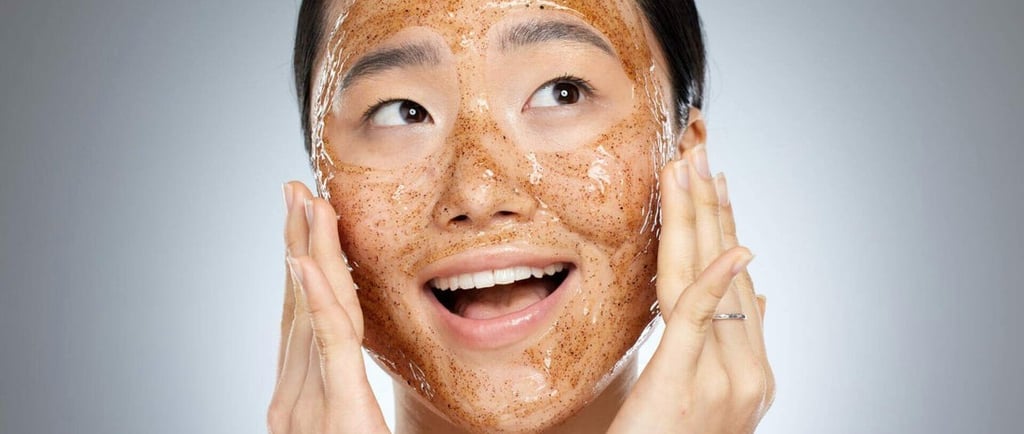
Exfoliation is a vital skincare process that involves the removal of dead skin cells from the surface of the skin. This action not only refreshes the complexion but also plays a crucial role in promoting healthy skin. Our skin naturally sheds dead cells, but due to various factors such as aging, environmental stresses, and insufficient skincare, this process can become impaired. Regular exfoliation helps to support skin cell turnover, enhancing the overall appearance and texture of the skin.
The science behind exfoliation is grounded in its ability to unclog pores and prevent the buildup of debris, which can lead to breakouts and other skin concerns. As we engage in exfoliation, whether through physical methods like scrubs or chemical exfoliants such as glycolic acid, we facilitate a cleaner, clearer surface for new skin cells to emerge. This results in a brighter and more even skin tone, as the renewed skin can better reflect light and exhibit a healthy glow.
Incorporating a consistent exfoliation routine into your skincare regimen offers various benefits, including the enhancement of skin texture and a more vibrant complexion. By removing the outer layer of dead cells, exfoliation allows serums and moisturizers to penetrate more deeply, yielding better results from other products. Conversely, neglecting this crucial step can lead to a myriad of issues such as dullness, uneven texture, and even an increased likelihood of breakouts. Maintaining regular exfoliation ensures that the skin remains invigorated and free from the buildup that can hinder its radiance.
In summary, understanding exfoliation and actively incorporating it into your skincare routine is essential for achieving radiant, healthy skin.
Types of Exfoliation: Physical vs. Chemical
Exfoliation is an essential step in maintaining healthy skin, and it can be categorized into two primary types: physical and chemical. Understanding the differences between these two methods can help individuals choose the most appropriate technique for their skin type and concerns.
Physical exfoliation involves the use of manual techniques to remove dead skin cells. Common tools and products include scrubs containing granules such as sugar, salt, or ground nuts, as well as exfoliating brushes, sponges, and cloths. The primary advantage of physical exfoliation is the immediate gratification; users can see instant results in terms of smoother and softer skin. However, it also carries some drawbacks. For instance, excessive use of physical exfoliants can lead to skin irritation, microtears, or an increase in oil production, particularly in sensitive or acne-prone skin.
In contrast, chemical exfoliation employs acids and enzymes to dissolve dead skin cells and promote cell turnover. The most common classes of chemical exfoliants are alpha hydroxy acids (AHAs) and beta hydroxy acids (BHAs). AHAs, such as glycolic and lactic acid, work well for those with dry or sun-damaged skin, enhancing surface exfoliation. Conversely, BHAs, like salicylic acid, penetrate deeper into pores, making them particularly effective for oily and acne-prone skin. While chemical exfoliants can offer significant benefits, it's essential to choose the right product based on individual skin type to avoid potential irritation.
Both physical and chemical exfoliation have their pros and cons, and the best choice depends on one's skin type, sensitivity, and personal preferences. By considering these factors, individuals can effectively incorporate exfoliation into their skincare routines, unlocking the pathway to radiant skin.
Celebrity Favorites: Stars Who Swear by Exfoliation
In the realm of beauty and skincare, many celebrities have openly shared their devotion to exfoliation, showcasing its crucial role in achieving and maintaining radiant skin. For instance, actress and singer Selena Gomez has often spoken about her exfoliation regimen, crediting it for her smooth complexion. In various interviews, she has emphasized the importance of incorporating an exfoliating scrub into her routine, stating, "Exfoliating helps to keep my skin fresh and youthful, and it feels amazing." This sentiment resonates with many beauty enthusiasts, as it highlights how effective exfoliation can enhance skin texture.
Another prominent figure, model and entrepreneur Kendall Jenner, has praised a gentle exfoliating product she uses regularly. In a social media post, she revealed, "Using a chemical exfoliant has transformed my skin. I love how it helps clear away dead skin cells without being too harsh." By sharing her personal experience, she offers followers insight into how exfoliation can lead to clearer, more luminous skin. This aligns with the growing trend of integrating both physical and chemical exfoliants within skincare routines, catering to various skin types.
Actress and beauty icon Gwyneth Paltrow is yet another celebrity who advocates for regular exfoliation. In her lifestyle blog, she highlighted a DIY exfoliating mask that combines natural ingredients, claiming, "This is a game-changer! Exfoliation is the secret to achieving that natural glow." Paltrow's emphasis on using safe, organic components demonstrates her commitment to healthy skincare practices, suggesting that readers should consider exploring similar formulations.
As celebrities continue to endorse exfoliation as a fundamental step in their skincare regimens, it is evident that the benefits are far-reaching. By taking cues from their routines, including trying out recommended products, individuals may find an exfoliation method that aligns with their skin’s needs and preferences.
Dermatologists' Take: Expert Recommendations for Exfoliation
Exfoliation is a critical component of any skincare routine, and leading dermatologists emphasize its significance in achieving healthy, radiant skin. According to experts, the frequency of exfoliation largely depends on individual skin types. For instance, individuals with oily or combination skin may benefit from exfoliating two to three times a week, while those with sensitive or dry skin types are advised to limit their exfoliation to once a week. This differentiation is vital to prevent irritation and maintain the skin's natural barrier.
Furthermore, selecting the appropriate exfoliating product is essential for optimal results. Dermatologists recommend choosing between physical and chemical exfoliants based on specific skin needs. Physical exfoliants, such as scrubs and brushes, are best suited for normal skin, while chemical exfoliants, like AHAs (Alpha Hydroxy Acids) and BHAs (Beta Hydroxy Acids), are advantageous for oily or acne-prone skin. These agents work by dissolving dead skin cells, improving texture and promoting cellular turnover.
While exfoliation is beneficial, dermatologists caution against over-exfoliating, which can lead to skin barrier damage and increased sensitivity. They suggest following this simple rule: if your skin feels tight, looks red, or peels, it may be a sign that you are exfoliating too often. Incorporating hydrating products, such as serums or moisturizers post-exfoliation, can help balance the skin's moisture levels and repair any potential damage.
To further aid readers in their exfoliation choices, dermatologists often endorse popular products that have demonstrated efficacy. For instance, those seeking gentle chemical exfoliants should consider products that contain glycolic acid or lactic acid, as these are highly praised in the industry for their effectiveness and gentleness. Taking these expert recommendations into account can empower individuals to establish a balanced exfoliation routine tailored to their skin’s unique needs.
Top Exfoliation Products: Reviews and Ratings
Exfoliation is a vital step in enhancing skin texture and promoting a healthy glow, and choosing the right product is crucial for achieving optimal results. Below, we will explore both drugstore and high-end exfoliation products, categorized by their exfoliation method: physical and chemical.
Physical Exfoliants: These products utilize granular particles or tools to remove dead skin. One popular option is the St. Ives Fresh Skin Apricot Scrub. Containing natural exfoliants, it effectively sloughs off dead skin cells, promoting a brighter appearance. Many users praise it for its affordability and availability in drugstores, rating it about 4.5 out of 5. However, some reviews indicate that it may be too abrasive for sensitive skin.
For those seeking a more luxurious experience, the Herbivore Botanicals Pineapple Enzyme + Gemstone Puff Face Scrub offers a gentle yet effective physical exfoliation. Formulated with natural enzymes, this high-end scrub has received positive feedback for its subtle scent and nourishing ingredients. Users appreciate its ability to leave skin feeling smooth without irritation, often giving it a rating of 4.7 out of 5.
Chemical Exfoliants: Unlike physical scrubs, these products utilize acids to dissolve dead skin cells. A standout in the drugstore category is the The Ordinary Glycolic Acid 7% Toning Solution. This budget-friendly option is lauded for its effectiveness, boasting a 4.6-star rating. Users highlight its ability to enhance skin texture and radiance over time, making it a staple for many skincare routines.
On the premium side, Drunk Elephant T.L.C. Sukari Babyfacial is highly regarded for its potent formulation that features a blend of AHA and BHA. Users commend its ability to provide immediate results and smoother skin texture, with an average rating of 4.8. While it is on the higher end of the price spectrum, many consider it worth the investment for its transformative effects.
These selections underscore the diversity in exfoliation products available, catering to various skin types and budgetary needs. No matter the preference, these products demonstrate the importance of exfoliation in achieving radiant skin.
Natural and Organic Exfoliation Tips for Every Skin Type
Exfoliation plays a crucial role in achieving radiant skin, and opting for natural and organic ingredients can provide effective results without harsh chemicals. Many households are equipped with simple pantry staples that can be transformed into gentle exfoliants. For instance, oatmeal is an excellent option for sensitive skin types. When ground into a fine powder, it acts as a mild abrasive while also possessing anti-inflammatory properties that soothe irritation. To create an oatmeal scrub, mix ground oats with water or yogurt to form a paste, then gently massage onto the skin before rinsing off.
Sugar, whether granulated or brown, serves as another effective natural exfoliant due to its larger granule size which works well for scrubbing away dead skin cells. For a quick DIY sugar scrub, combine equal parts sugar and oil, such as coconut or olive oil, to create a hydrating exfoliating mixture. This blend not only polishes the skin but also conditions it, leaving a soft, moisturized finish that remains free from synthetic preservatives.
Honey, known for its moisturizing and antibacterial properties, also offers a unique exfoliation method. Mixing honey with baking soda creates an effective gentle scrub that nourishes while refining the skin's texture. Apply the mixture in circular motions and leave it on for a few minutes before rinsing to allow the honey to work its magic.
For those with oily or acne-prone skin, a coffee grounds scrub may be particularly beneficial. Combining used coffee grounds with a little cream or oil can create a refreshing scrub that lifts away dead skin and offers antioxidants without overly stripping the skin. These natural exfoliation methods ensure that individuals with various skin types can attain healthy and glowing skin while promoting sustainability through the use of everyday ingredients.
Building Your Exfoliation Routine: Tips for Success
Establishing a successful exfoliation routine is crucial for maintaining healthy, radiant skin. To begin, it is essential to determine the right frequency of exfoliation based on your specific skin type. For individuals with sensitive or dry skin, exfoliating once a week may be sufficient to avoid irritation. On the other hand, those with oily or combination skin may benefit from exfoliating two to three times a week. Recognizing your skin's unique needs is key to achieving optimal results without causing damage.
When layering exfoliating products with other skincare items, it is important to choose complementary formulations that enhance, rather than hinder, the exfoliation process. For instance, after exfoliating, applying a moisturizer helps to lock in hydration and support skin repair. Additionally, integrating serums rich in antioxidants can further promote skin's health and protect against environmental damage. Be cautious when layering different active ingredients, as combining multiple exfoliating products on the same day may lead to excessive skin sensitivity and irritation.
Understanding the signs of over-exfoliation is essential in maintaining the effectiveness of your routine. Indicators may include redness, increased sensitivity, peeling, or a burning sensation on the skin. If you experience these symptoms, it is advisable to reduce the frequency of exfoliation and prioritize soothing skincare ingredients. Furthermore, incorporating a balance of hydrating and soothing elements into your routine will help to restore your skin's barrier and mitigate the effects of over-exfoliation.
Finally, integrating exfoliation smoothly into your daily or weekly skincare regimen can significantly enhance the overall health of your skin. Consider setting a specific day and time each week for an exfoliation session, treating it as a vital part of self-care. Maintaining consistency will not only yield better results but also instill a commitment to your skin's well-being, bringing you closer to achieving that coveted radiant complexion.