
Understanding Salicylic Acid: The Key to Combating Dandruff
Salicylic acid shampoo effectively combats dandruff by exfoliating the scalp and dissolving buildup. This blog breaks down how it works, its benefits for "salicylic acid shampoo for dandruff," and usage tips for optimal results.
INGREDIENTS BASEDANTI DANDRUFF SHAMPOOSCALP NOURISHMENTHAIRCARE
Shineweneed Editor
12/23/20257 min read
What is Salicylic Acid?
Salicylic acid is a beta-hydroxy acid (BHA) that is widely recognized for its numerous skincare benefits. Its chemical structure allows it to penetrate deep into the skin, effectively breaking down the bonds that hold dead skin cells together. This action facilitates the exfoliation process, which is crucial for maintaining healthy skin and preventing conditions such as dandruff.
Derived primarily from willow bark, salicylic acid is a natural antimicrobial and anti-inflammatory agent. These properties make it particularly effective in treating skin issues related to excess oil production, such as acne and dandruff. By helping to regulate oil levels, salicylic acid can prevent clogged pores, creating an inhospitable environment for malassezia yeast, a fungus known to contribute to dandruff formation.
When applied to the scalp, salicylic acid works by loosening and removing the buildup of dead skin cells and excess sebum. This not only helps to alleviate flakiness but also promotes a healthier scalp environment. Its ability to penetrate hair follicles allows for effective cleansing that goes beyond surface treatments, addressing the root causes of dandruff.
In addition to its exfoliating capabilities, salicylic acid is known for its soothing properties, reducing inflammation and redness associated with irritated skin. Consequently, it is often incorporated into a variety of anti-dandruff shampoos and formulations, providing a dual benefit of treating both the symptoms and underlying causes of this common issue.
Overall, salicylic acid serves as a vital ingredient in skincare and haircare products, primarily due to its exfoliating, anti-inflammatory, and antimicrobial effects. This makes it a reliable choice for those seeking effective solutions for dandruff and other skin-related concerns.
How Salicylic Acid Works Against Dandruff
Salicylic acid is renowned for its effectiveness in treating dandruff due to its unique keratolytic properties. This compound works by exfoliating the scalp, effectively dissolving the bonds that hold dead skin cells together. The result is a reduction in the formation of those troublesome flakes that are often associated with dandruff. By breaking down these flakes, salicylic acid aids in promoting a healthier scalp environment, minimizing scaling and alleviating itchiness. This mechanism of action renders it a valuable ally in the fight against dandruff.
One of the key advantages of salicylic acid over traditional antifungal treatments is its gentleness on the scalp. While antifungals target the fungal elements responsible for dandruff, they can sometimes lead to irritation, especially for individuals with sensitive skin. In contrast, salicylic acid manages to address dandruff without irritating the scalp, making it a suitable option for a broader range of users. Furthermore, the integration of salicylic acid in dandruff treatments often allows for a more tolerable and user-friendly application.
Salicylic acid not only helps in reducing dandruff but also maintains the overall health of the scalp by controlling excess oil production. This is particularly beneficial, as oily scalps can result in an environment conducive to dandruff proliferation, creating a cycle that is difficult to break. The ability of salicylic acid to balance scalp oils further underscores its dual role in both combating and preventing dandruff effectively.
In conclusion, salicylic acid stands out not only for its efficacy in treating dandruff but also for its compatibility with most scalp types. Its keratolytic properties, combined with a lower risk of irritation compared to traditional antifungals, position it as a formidable and gentle solution in the ongoing battle against dandruff.
Key Benefits of Using Salicylic Acid for Dandruff
Salicylic acid has emerged as a key ingredient in the treatment of dandruff, attributed to its multifaceted benefits that cater to both scalp health and overall hair vitality. One of the primary advantages of incorporating salicylic acid into a haircare routine is its ability to promote accelerated flake reduction. By exfoliating the scalp, salicylic acid facilitates the removal of dead skin cells, thereby diminishing the occurrence and visibility of dandruff flakes. This rapid action helps individuals achieve a clearer scalp more quickly compared to traditional dandruff solutions.
Moreover, salicylic acid plays a pivotal role in ensuring that hair follicles remain unclogged. When scalp pores are obstructed, it can lead to a host of issues such as irritation, inflammation, and even hair loss. Salicylic acid's keratolytic properties effectively dissolve the buildup of scalp debris and oil, allowing for better hair follicle penetration. This not only promotes healthier hair growth but also enhances the overall appearance and texture of hair. Users can expect their hair to look and feel revitalized with regular application of products containing salicylic acid.
Additionally, salicylic acid is known for its anti-inflammatory qualities, which can provide relief from itching and discomfort often associated with dandruff. This aspect is particularly beneficial for those who struggle with sensitive scalps, ensuring they can enjoy the benefits of dandruff control without adverse effects. Overall, integrating salicylic acid into one’s haircare regimen not only tackles dandruff effectively but also supports a healthier scalp and fosters robust hair growth.
Combining Salicylic Acid with Other Treatments
Salicylic acid is recognized for its efficacy in treating dandruff, primarily due to its ability to exfoliate the scalp and reduce the buildup of dead skin cells. When combined with other anti-dandruff ingredients, particularly ketoconazole, the therapeutic potential of both can be significantly enhanced. This synergy can lead to more comprehensive management of dandruff while ensuring the overall health of the scalp.
Ketoconazole is a potent antifungal agent known for its effectiveness against the underlying fungal causes of dandruff, such as Malassezia yeast. By incorporating salicylic acid into a treatment regimen that includes ketoconazole, the user can benefit from the dual action of these components: the salicylic acid reduces scalp flakiness and irritation, while ketoconazole targets the fungal infection directly. This combination not only alleviates symptoms more quickly but also helps maintain the scalp's natural balance.
Moreover, the use of salicylic acid can improve the penetration of ketoconazole into the scalp tissue. By exfoliating and cleansing the outer layer of the scalp, salicylic acid allows for better absorption of the antifungal properties of ketoconazole, making the treatment more effective. Patients with stubborn dandruff conditions may find that applying a salicylic acid product, followed by a ketoconazole treatment, results in faster and more sustainable relief.
It is, however, essential for individuals to approach this combination cautiously, as overuse of these treatments can lead to scalp irritation. Consulting with a dermatologist or healthcare provider can help tailor a treatment plan that maximizes benefits while minimizing potential side effects. Incorporating salicylic acid alongside ketoconazole may very well provide an effective strategy in the ongoing battle against dandruff.
Trending Salicylic Acid Shampoos for Dandruff in 2025
As we look into 2025, the demand for effective dandruff solutions continues to grow, with salicylic acid emerging as a prominent ingredient in many trending shampoos. This active component is known for its ability to exfoliate the scalp, removing dead skin cells and reducing flakiness associated with dandruff. Several key products have gained significant traction for their efficacy and formulation.
One standout product is the Ultra Cleansing Salicylic Acid Shampoo, which features a high concentration of salicylic acid combined with soothing botanical extracts. This formulation not only helps alleviate scaling but also nourishes the scalp, making it suitable for individuals with sensitive skin. Users have reported noticeable improvements in dandruff severity within weeks of regular use.
Another noteworthy contender is the Deep Hydration Salicylic Shampoo, designed specifically for individuals with dry and damaged hair. This product balances the cleansing properties of salicylic acid with moisturizing agents like hyaluronic acid and aloe vera. It effectively combats dandruff while maintaining hair hydration, catering to those who struggle with both issues simultaneously.
The Clarifying Salicylic Acid Shampoo has also emerged as a favorite among those with oily scalp conditions. Its powerful formula helps to regulate excess oil production while exfoliating the scalp, ensuring a clean and refreshed feeling. This shampoo is particularly beneficial for individuals with thick or coarse hair types that are prone to dandruff buildup.
In addition to their core salicylic acid content, many of these trending shampoos boast complementary ingredients that enhance their effectiveness. As the market evolves, consumers will find an increasing range of formulations that cater to various needs, promising a comprehensive approach to dandruff treatment while prioritizing hair health.
Usage Tips for Maximum Effectiveness
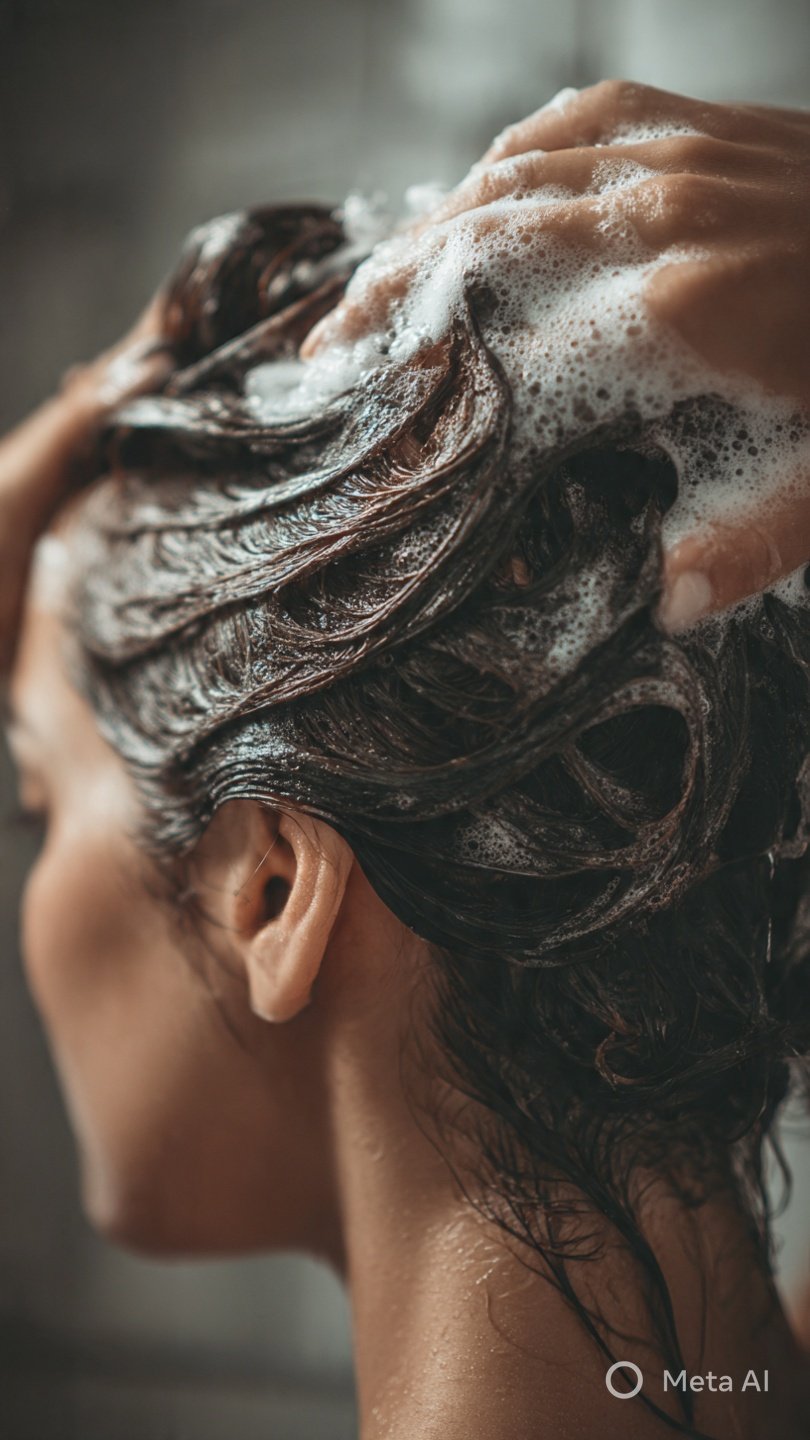
To achieve the best results when using salicylic acid shampoos for dandruff treatment, proper application is essential. Begin by wetting your hair thoroughly with warm water, as this helps to open the hair cuticles and allows better penetration of the product. Apply a generous amount of the salicylic acid shampoo directly to your scalp, ensuring that it is evenly distributed. It is advisable to apply the shampoo at least two to three times during each washing session. This approach allows the active ingredients to effectively cleanse and exfoliate the scalp, removing excess flakes and debris.
Once the shampoo is applied, massage it gently into your scalp using your fingertips. This not only helps in the distribution of the product but also promotes blood circulation, which can enhance the health of your scalp. After massaging, leave the shampoo on your scalp for at least 3-5 minutes before rinsing. This duration allows the salicylic acid to exert its benefits, including reducing inflammation and preventing clogged follicles.
Frequency of use is also crucial for optimal effects. Depending on the severity of your dandruff, it is typically recommended to use salicylic acid shampoo two to three times a week. For persistent cases, you may consider using it more frequently at first, gradually transitioning to a lower frequency as dandruff symptoms improve. Additionally, always follow up with a conditioner to maintain moisture and avoid dryness caused by the exfoliating properties of salicylic acid.
By adhering to these guidelines and monitoring your scalp's response, you can maximize the effectiveness of salicylic acid shampoos and achieve a healthier, flake-free scalp.
Frequently Asked Questions (FAQs) About Salicylic Acid and Dandruff
Salicylic acid is widely recognized for its effectiveness in treating dandruff, yet many users have questions regarding its use, safety, and potential side effects. This section aims to address some common concerns.
One major question is, "Is salicylic acid safe for daily use?" While salicylic acid is generally considered safe, its concentration in shampoos and treatments can influence the frequency of use. Products containing lower concentrations (1% to 2%) may be suitable for daily application, while those with stronger formulations should be used less frequently, such as two to three times per week. It's advisable to consult a healthcare professional or dermatologist for personalized recommendations based on individual skin type and sensitivity.
Another concern often raised is whether salicylic acid causes any side effects. Common side effects include dryness, irritation, or peeling, especially when first introduced into a skincare regimen. It is essential to monitor how your scalp reacts and adjust usage accordingly. If severe side effects occur, such as allergic reactions or persistent irritation, discontinuation and professional advice are strongly recommended.
Users may also inquire about who should utilize salicylic acid. It is suitable for individuals dealing with dandruff, psoriasis, or seborrheic dermatitis. However, caution is advised for those with sensitive skin or underlying skin conditions, as harsher products may exacerbate these issues. A patch test, or consultation with a dermatologist, can help determine whether salicylic acid is a safe choice.
In summary, salicylic acid can be a valuable ally in combating dandruff when used correctly. Understanding its proper application, potential side effects, and suitability can help users make informed decisions, resulting in a healthier scalp and reduced dandruff symptoms.