
Understanding Recurring Acne: Causes and Solutions for Lasting Clear Skin
Acne often recurs after treatment due to underlying factors like hormones and lifestyle that aren't fully addressed. Key Recurring Acne Causes Hormonal fluctuations, such as those from menstrual cycles, PCOS, or thyroid issues, drive oil overproduction and clogged pores, making acne not going away even post-treatment. Incomplete treatments like early Accutane cessation or skipping maintenance allow bacteria and inflammation to rebound. Stress elevates cortisol, weakening skin barriers and prolonging breakouts.Adult Acne ReasonsAdult acne reasons often stem from persistent hormones in women, especially jawline cysts linked to estrogen shifts or menopause.
ACNE FREEHEALTHY DIETRADIANT SKIN TIPS
Shineweneed Editor
12/16/20258 min read
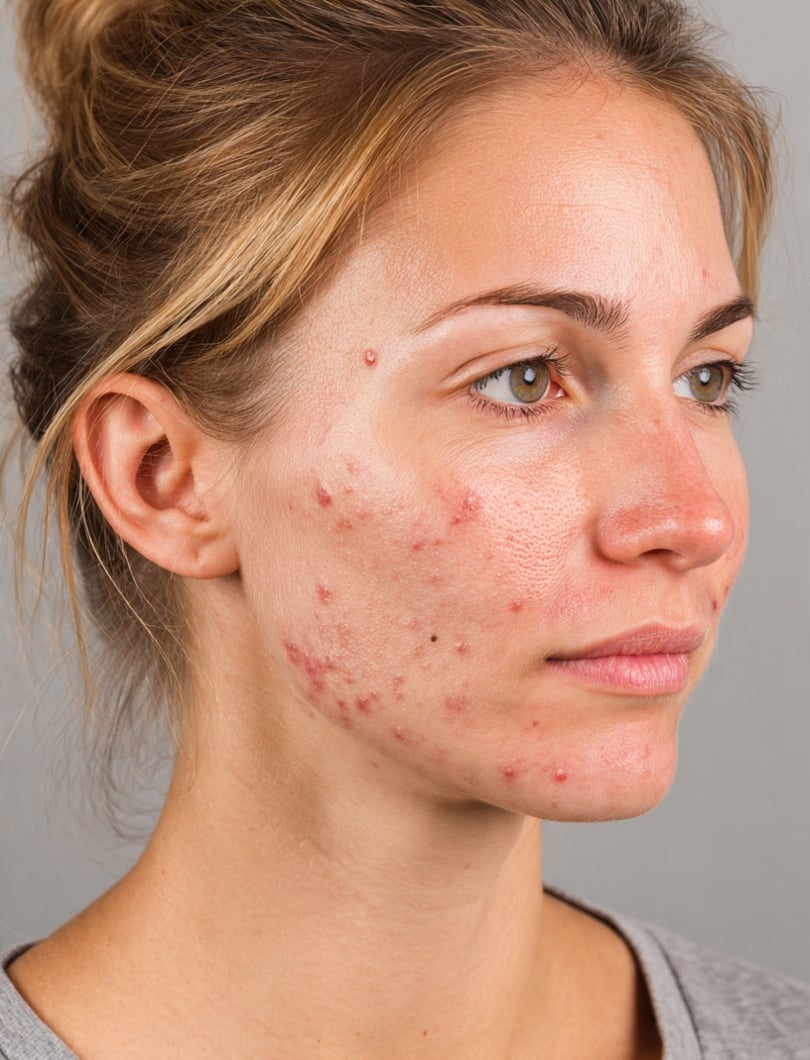
Introduction to Recurring Acne
Recurring acne represents a persistent and troubling skin condition that differs from typical acne due to its cyclical nature and resilience. While common acne may arise sporadically as a result of various factors such as stress, diet, and hygiene, recurring acne is characterized by outbreaks that not only return but frequently resist conventional treatment. This distinction is significant as it emphasizes the need for a deeper understanding of its origins and the factors contributing to its recurrence.
In recent years, particularly as we advance into 2025, there has been a notable surge in interest surrounding the underlying recurring acne causes. Individuals seeking solutions for acne that does not seem to go away are increasingly looking beyond surface-level treatments. Instead, they are paying greater attention to the root causes of their condition which may include hormonal imbalances, genetic predispositions, and specific lifestyle choices, such as diet and stress management.
Hormonal fluctuations, for example, can significantly influence the development of acne. Conditions such as polycystic ovary syndrome (PCOS) or other endocrine disorders often result in persistent breakouts. Furthermore, dietary choices, including high-glycemic foods, can exacerbate skin issues by impacting insulin levels and triggering inflammation. Lifestyle factors, including inadequate skincare routines or insufficient stress relief practices, may also perpetuate this cycle, leading to ongoing flare-ups.
Considering these multifaceted components, it becomes increasingly clear that addressing recurring acne requires a holistic approach. By identifying and managing the deeper underlying factors contributing to this skin condition, it is possible to reduce the frequency and severity of breakouts. Understanding the nature of recurring acne is the first step towards achieving lasting clear skin.
Hormonal Imbalances and Acne
Hormonal fluctuations significantly influence the occurrence and recurrence of acne, particularly in women. The menstrual cycle is a prime example of how hormones can affect skin health. During certain phases of the cycle, namely the luteal phase, progesterone levels rise, leading to increased sebum production. This excess oil can clog pores, ultimately resulting in breakouts. Additionally, estrogen levels fluctuate, which can further aggravate acne-prone skin.
Puberty is another critical period marked by hormonal changes that typically result in acne emergence. During adolescence, androgen levels increase in both boys and girls, stimulating the sebaceous glands. This heightened sebum production, combined with skin cell turnover, creates an environment conducive to acne formation. In some cases, these hormonal shifts can persist into adulthood, leading to chronic skin issues.
Polycystic Ovary Syndrome (PCOS) is a condition affecting many women that brings about hormonal discrepancies. Women with PCOS often experience elevated androgen levels, contributing to a range of symptoms, including acne. Managing this condition’s hormonal imbalances is crucial for alleviating acne's persistence, which may require medical intervention and lifestyle adjustments.
Stress plays a significant role in hormonal fluctuations, leading to the overproduction of cortisol. Elevated cortisol levels can trigger increased oil secretion and inflammatory processes in the skin, exacerbating existing acne problems. Furthermore, as women approach menopause, hormonal levels decline, leading to fluctuations that can also manifest as acne. Despite the general perception that acne is primarily a teenage issue, adult women can continue to struggle with this condition due to hormonal factors.
Understanding the complex relationship between hormonal imbalances and acne can provide insights into effective management strategies for lasting clear skin.
Lifestyle Factors Influencing Acne
Recurring acne is often influenced by various lifestyle factors that can significantly affect skin health. Diet plays a crucial role; certain foods may trigger or exacerbate acne. High-glycemic foods, such as sugary snacks and refined carbohydrates, can lead to insulin spikes, promoting increased oil production and inflammation in the skin. It is essential to consider a balanced diet rich in whole foods, such as fruits, vegetables, whole grains, and lean proteins, to foster better skin health.
Physical activity is another important lifestyle factor; regular exercise not only boosts overall health but also enhances circulation, which helps deliver oxygen and nutrients to the skin. Sweating during exercise can help unclog pores and remove toxins. However, it is vital to cleanse the skin after workouts to prevent sweat and oil buildup from contributing to breakouts.
Sleep patterns also have a significant impact on skin condition. Insufficient or poor-quality sleep can lead to hormonal imbalances and increased stress levels, both of which are associated with acne flare-ups. Establishing a consistent sleep routine that allows for adequate rest can promote skin healing and overall well-being. Furthermore, effective stress management is crucial; chronic stress triggers the release of hormones that can lead to increased oil production and inflammation in the skin. Techniques such as yoga, meditation, and deep-breathing exercises can help mitigate stress levels and improve mental health.
Addressing these lifestyle factors is essential for a holistic approach to skincare. While topical treatments may provide short-term relief, incorporating healthy diet choices, regular physical activity, adequate sleep, and effective stress management into daily routines can lead to lasting improvements in skin health. Adopting these lifestyle changes not only supports clearer skin but also contributes to overall health and well-being.
The Importance of Proper Skincare
Proper skincare is crucial in managing acne and achieving lasting clear skin. A systematic approach to skin care not only helps address existing breakouts but also plays a significant role in preventing future occurrences. Individuals with acne-prone skin often need to customize their skincare routines to meet their specific needs, which can involve a combination of cleansing, moisturizing, and targeted treatments.
The first step in any effective skincare regimen is a gentle cleanser that removes dirt, oil, and makeup without irritating the skin. This is particularly important for those with acne, as harsh soaps can strip the skin of its natural oils, leading to an overproduction of sebum—a common contributor to acne. Look for cleansers that contain ingredients such as salicylic acid or glycolic acid, which can effectively unclog pores and reduce inflammation.
Moisturizing is equally vital, even for those with oily skin. Many individuals mistakenly believe that applying moisturizer will exacerbate their acne, but this is not the case. Proper hydration helps maintain the skin barrier, which can prevent the overproduction of oil. Opt for non-comedogenic moisturizers that provide hydration without clogging pores. Additionally, incorporating products containing antioxidants can further enhance skin health.
Another key aspect of an effective skincare routine involves the use of targeted treatments, such as retinoids or acne-specific gels. These products work to accelerate cell turnover, helping to prevent new breakouts. However, it's essential to introduce these treatments gradually to avoid skin irritation.
Common mistakes that can exacerbate acne include using too many products at once, neglecting SPF protection, and picking or squeezing blemishes. By adhering to a consistent and well-structured skincare regimen, individuals can significantly improve their skin's overall appearance and health, laying the groundwork for clearer skin in the long run.
Preventing Acne Recurrence Through Lifestyle Changes
Acne is a common skin condition that can significantly impact one's self-esteem and overall quality of life. However, preventing acne recurrence is achievable through conscious lifestyle changes. The foundation of a successful strategy begins with maintaining a balanced diet. Foods high in sugars and refined carbohydrates can aggravate acne by promoting inflammation and oil production. Instead, incorporating whole foods, such as fruits, vegetables, lean proteins, and whole grains, can help stabilize blood sugar levels and support skin health. Omega-3 fatty acids found in fish and flaxseeds, for example, may also aid in reducing inflammatory responses associated with acne.
Moreover, effective stress management is crucial for preventing acne flare-ups. Stress triggers the release of hormones such as cortisol, which can lead to an increase in oil production and the potential for blocked pores. Engaging in relaxation techniques such as yoga, meditation, or simple deep-breathing exercises can positively impact both mental well-being and skin conditions. Regular exercise is another beneficial component, as it helps regulate hormones, improve circulation, and reduce overall stress levels.
Additionally, adopting good skincare practices plays a vital role in minimizing the chances of acne recurrence. Establishing a consistent skincare routine tailored to individual skin types is essential. This includes cleansing the skin twice daily using a gentle cleanser, exfoliating regularly to remove dead skin cells, and moisturizing to keep the skin hydrated. The use of non-comedogenic products is crucial as well, as these products are formulated to prevent pore blockage. Lastly, avoiding touching the face and utilizing clean pillowcases and towels can further decrease the risk of bacteria spread and skin irritation.
Creating these lasting habit changes and sticking to them can significantly contribute to long-term skin health and the prevention of recurring acne. By ensuring a balanced diet, managing stress effectively, and employing diligent skincare practices, individuals can work towards achieving and maintaining clear skin.
Understanding Adult Acne Reasons
Adult acne is a condition that affects a significant number of individuals, particularly women, and it differs notably from adolescent acne. Whereas teenage acne often arises from excessive oil production associated with puberty, adult acne is influenced by a variety of factors, including hormonal fluctuations, stress, and changes in skin maturity. Understanding the distinct reasons behind adult acne can assist in identifying effective treatment approaches.
Hormonal changes play a pivotal role in the development of acne during adulthood. For women, fluctuations in hormones throughout menstrual cycles, pregnancy, or menopause can lead to increased oil production and, consequently, breakouts. During these life stages, women may experience heightened levels of androgens, which stimulate sebaceous glands, resulting in comedones, papules, or pustules on the skin.
Stress is another significant contributing factor to adult acne. The body's response to stress engages the hypothalamic-pituitary-adrenal (HPA) axis, leading to increased cortisol levels. This hormone can increase oil production and alter the skin's barrier function, making it more susceptible to acne. Additionally, heightened stress often leads to behaviors that may exacerbate skin issues, such as poor dietary choices or neglecting a proper skincare routine.
The aging process also impacts how the skin responds to treatments, as mature skin tends to be less resilient. With age, skin loses its ability to retain moisture, which can hinder healing and exacerbate existing breakouts. Older adults may also find that treatments that once worked for them become less effective over time, necessitating adjustments in their skincare strategies.
In light of these factors, it is clear that adult acne is multifaceted, particularly for women navigating different life phases. Addressing these reasons is essential for effective management and achieving lasting clear skin.
Conclusion and Next Steps for Your Skincare Journey
In addressing the challenge of recurring acne, it is essential to recognize the multifaceted nature of this skin condition. Throughout this blog post, we have explored the pivotal causes of acne, including hormonal fluctuations, dietary factors, and inadequate skincare routines. Understanding these underlying issues is crucial for developing an effective strategy to attain clear skin.
As we conclude, it is vital for individuals experiencing persistent acne to seek professional guidance. Dermatologists can provide personalized treatment plans that may include topical therapies, oral medications, or lifestyle changes tailored to specific skin types and conditions. The importance of consulting with a healthcare provider cannot be overstated, particularly if over-the-counter solutions do not yield desired results.
Moreover, considering lifestyle factors such as stress management, healthy eating habits, and consistent skincare regimens can significantly impact acne development. It is beneficial to monitor changes in your skin and recognize how various elements of your lifestyle may contribute to breakouts. Hormonal health, in particular, plays a substantial role in this process; therefore, keeping track of menstrual cycles or other hormonal changes might provide insights into acne triggers.
Preventative measures discussed, such as maintaining a proper skincare routine, are integral to minimizing the frequency and severity of breakouts. Achieving clear skin is often a gradual process that necessitates both patience and informed choices. By incorporating the strategies outlined in this post and remaining vigilant about your skincare habits, you can move towards a clearer complexion. Remember, every individual's skin is unique, and what works for one may not work for another. Thus, a tailored approach and continued learning are essential on this journey to lasting skin clarity.