
Understanding and Overcoming Dark Spots: Unlocking the Secrets to Even Skin Tone
Dark spots often persist after serums due to melanin overproduction from sun damage or inflammation not being fully halted. Dark spots not fading commonly results from inconsistent use or skipping sunscreen, while hyperpigmentation treatment requires addressing uneven skin tone causes like hormones.Main CausesSun exposure reactivates melanin production, making dark spots not fading despite serums like vitamin C. Hormonal shifts from PCOS or pregnancy fuel uneven skin tone causes, overriding topical fixes. Inflammation from acne scars deepens pigmentation if not soothed first.Treatment PitfallsHyperpigmentation treatment fails without layering actives like retinoids slowly to avoid irritation. Over-exfoliation thins the barrier, worsening dark spots not fading. Genetics play a role in stubborn post-inflammatory hyperpigmentation (PIH).Effective StrategiesPair serums with broad-spectrum SPF 50 daily to prevent uneven skin tone causes from recurring. Incorporate azelaic acid or hydroquinone under derm guidance for hyperpigmentation treatment. Patience is key—fading takes 8-12 weeks with consistent use.
Shineweneed Editor
12/16/20257 min read
Introduction to Dark Spots and Hyperpigmentation
Dark spots, often referred to as hyperpigmentation, are a prevalent concern in skincare, affecting individuals across various demographics. These discolorations generally appear as patches that are darker than the surrounding skin. The condition results from an excess production of melanin, which is the pigment responsible for skin color. Factors contributing to the development of dark spots include sun exposure, hormonal changes, skin injuries, and certain medications. It is essential to understand that while hyperpigmentation is common, the emotional toll it can take on individuals often goes unrecognized.
People dealing with uneven skin tone frequently express feelings of self-consciousness, leading to decreased confidence and even withdrawal from social situations. This emotional impact emphasizes the need for effective treatments to address dark spots. As the skincare industry continues to evolve, numerous products are marketed as solutions. However, individuals should proceed with caution. While some serums and treatments can provide significant benefits, others may fall short or even exacerbate the issue if misused.
In the quest to achieve an even skin tone, it is vital for individuals to educate themselves about the potential causes of dark spots and the diverse range of treatment options available. Consulting with a dermatologist can be an invaluable step toward selecting the most appropriate and effective approach tailored to individual needs. Furthermore, understanding the underlying reasons for hyperpigmentation can aid in preventing its recurrence, leading to healthier skin overall. By addressing dark spots thoughtfully and systematically, one can enhance not only physical appearance but also emotional well-being.
The Role of Melanin Overproduction
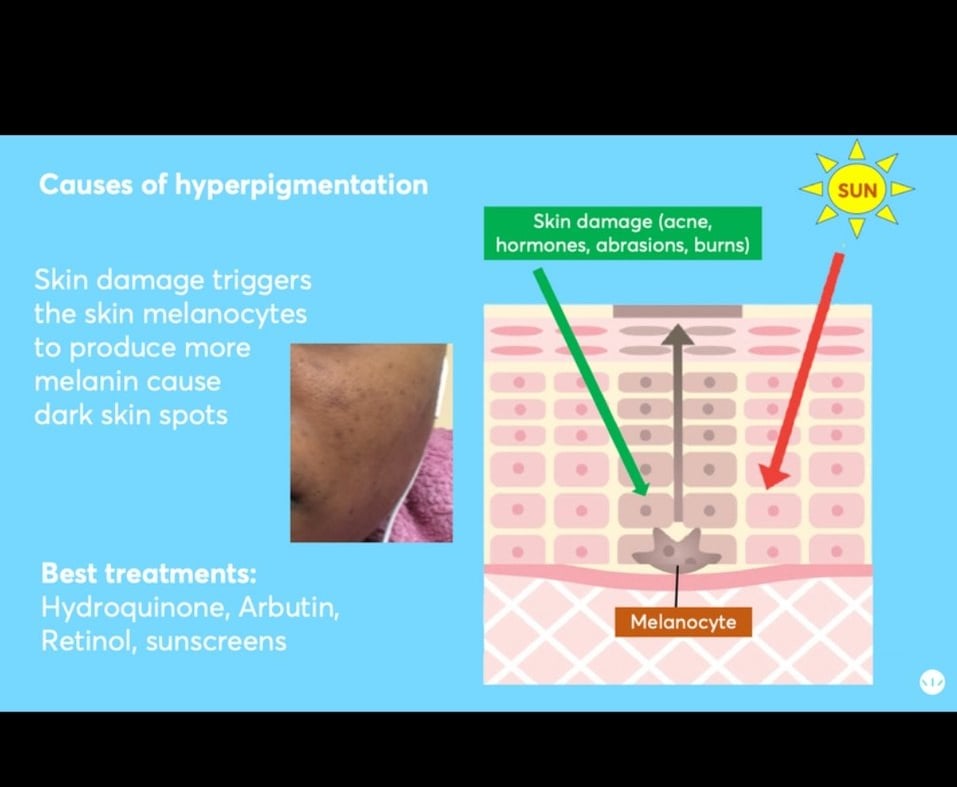
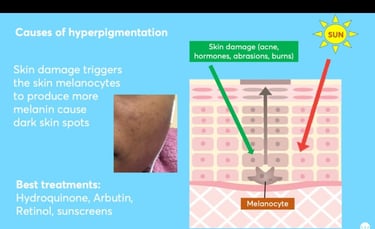
Melanin plays a crucial role in the coloring of skin, hair, and eyes, offering protection against the harmful effects of ultraviolet (UV) radiation. In response to sun exposure or skin inflammation, the body increases melanin production as a natural defense mechanism. This process is primarily regulated by specialized cells known as melanocytes, which are responsible for synthesizing melanin. When UV rays penetrate the skin, melanocytes become activated, leading to an increase in the production of melanin, which subsequently results in darker skin – a phenomenon commonly understood as tanning.
However, excessive melanin production can lead to the formation of dark spots, also referred to as hyperpigmentation. This condition occurs when the skin is subjected to prolonged UV exposure, over time causing melanocytes to become hyperactive. Such dark spots are often more resistant to treatments than general tanning because they represent localized concentrations of melanin that may not respond effectively to topical treatments, like serums designed to lighten skin tone. The biological processes governing this hyperpigmentation differ notably from those involved in other skin conditions like acne scars or rosacea, which often arise from different inflammatory pathways rather than direct melanin overproduction.
Understanding how melanin overproduction occurs is essential for developing effective treatments for dark spots. Systems within the body, including inflammatory responses, can exacerbate melanin production, meaning that addressing the underlying causes—such as sun damage or chronic skin irritation—is critical in achieving an even skin tone. Targeting melanocyte activity through proper skincare routines involving sun protection and suitable topical agents can minimize these dark spots effectively. By recognizing the unique role of melanin in skin health, individuals can make informed decisions when combating hyperpigmentation.
Key Reasons Dark Spots Don’t Fade
Dark spots on the skin, often resulting from excessive sun exposure, hormonal changes, or skin injuries, can be notoriously stubborn. While many individuals invest in serums and treatments claiming to diminish these blemishes, several factors may hinder progress, leaving dark spots unchanged despite dedicated efforts. One of the primary reasons for this stagnation is inconsistent application of products. Skincare routines require regularity; without systematic adherence to application, the efficacy of serums diminishes. Individuals might apply treatments diligently for a few days or weeks but often fall off the routine due to lack of visible results. However, consistency is key in allowing active ingredients within these serums to work optimally.
Another critical factor contributing to dark spots failing to fade is neglecting sunscreen usage. The application of a broad-spectrum sunscreen, ideally with SPF 30 or higher, is essential in any skincare regimen, particularly when treating hyperpigmentation. Sunscreen shields the skin from harmful UV rays that can exacerbate dark spots and hinder the skin's healing process. Individuals who skip this vital step may find that their treatment efforts are nullified by ongoing sun damage. Moreover, environmental factors, such as pollution, can also contribute to the persistence of dark spots; they often trigger free radical damage and inflammation, further complicating the fading process.
In addition to these mistakes, factors such as skin type, lifestyle choices, and even dietary habits can affect the rate at which dark spots fade. For example, individuals with oily or acne-prone skin may experience challenges in their treatment efforts if they do not tailor their regimens accordingly. Furthermore, inadequate hydration and nutrition can also impact the skin's overall health and its ability to regenerate. Therefore, a dedicated skincare routine, combined with protective measures like consistent sunscreen application, is imperative for effectively targeting and fading dark spots.
Impact of Hormones on Skin Tone
Hormones play a crucial role in regulating various bodily functions, including the health and appearance of the skin. Fluctuations in hormone levels, particularly estrogen and progesterone, can significantly impact skin tone, often leading to the development of dark spots and uneven pigmentation. These changes commonly occur during specific life stages, such as pregnancy, menstruation, and menopause, as well as in conditions like polycystic ovary syndrome (PCOS).
During pregnancy, women may experience a surge in hormones which can stimulate melanin production, leading to a condition known as melasma. Melasma is characterized by dark, patchy marks on the face, primarily affecting women with darker skin tones. Similarly, hormonal imbalances associated with PCOS can trigger increased androgen levels, promoting excess oil production and inflammation, which further exacerbates hyperpigmentation issues. As a result, individuals experiencing such hormonal changes may find it challenging to maintain a uniform complexion.
The interplay between hormones and skin pigmentation is intricate and multifaceted. When hormonal levels stabilize, there is potential for a reduction in hyperpigmentation, making it essential to recognize the underlying hormonal factors contributing to uneven skin tones. Targeting hormonal balance can be a crucial aspect of managing hyperpigmentation. This includes lifestyle changes such as a balanced diet, regular exercise, and stress management, all of which can help in regulating hormone levels.
Furthermore, consulting healthcare professionals who specialize in dermatology or endocrinology can provide insight into effective treatment options that address hormonal imbalances, thereby aiding in the improvement of skin tone. Understanding the impact of hormones on skin pigmentation is vital in developing targeted strategies for achieving a more even skin tone.
Trending Treatments for Hyperpigmentation
Hyperpigmentation, characterized by dark spots and uneven skin tone, has prompted the exploration of various treatment options within the skincare industry. Among the most talked-about ingredients are tranexamic acid and niacinamide, both of which have shown significant promise in reducing the appearance of dark spots and promoting a more balanced complexion.
Tranexamic acid, originally used in medical settings to reduce bleeding, has emerged as an effective topical treatment for hyperpigmentation. It works by inhibiting melanin production in the skin, which is responsible for the dark patches. Studies indicate that tranexamic acid can significantly lighten dark spots when used consistently over time. It is particularly beneficial for treating melasma and post-inflammatory hyperpigmentation, situations often challenging to manage. Experts recommend its incorporation into skincare routines in the form of serums or creams, ideally applied twice daily after cleansing and before moisturizing.
On the other hand, niacinamide, also known as vitamin B3, has been recognized for its multifaceted benefits. Not only does it help in minimizing pores and regulating oil production, but it also possesses skin-brightening properties. This ingredient works by inhibiting the transfer of melanosomes, which carry pigment from melanocytes to skin cells. Consequently, niacinamide plays a pivotal role in fading dark spots and evening out skin tone. To maximize its effects, it is advisable to use niacinamide in conjunction with sunscreen during the day, as it can enhance the skin's barrier function and protect against UV damage, which exacerbates hyperpigmentation.
Integrating these ingredients into a skincare routine can yield remarkable results. Users may consider starting with a tranexamic acid serum and adding a niacinamide moisturizer, allowing the products to complement each other in their fight against dark spots. Additionally, consulting with a dermatologist can provide tailored guidance on these trending treatments and how best to utilize them for one’s unique skin concerns.
Importance of Consistent Skincare Routines
Maintaining a consistent skincare regimen is essential for achieving and sustaining an even skin tone. Regular routines can effectively minimize the appearance of dark spots while preventing their formation. One of the primary recommendations from dermatologists is the daily application of sunscreen. Exposure to UV radiation can exacerbate pigmentation issues, leading to a noticeable increase in dark spots. By incorporating a broad-spectrum sunscreen with an SPF of at least 30 into your daily routine, you can protect your skin and significantly reduce the risk of future pigmentation.
In addition to sunscreen, using specialized treatments is crucial to enhance skin tone and texture. Products containing ingredients such as vitamin C, niacinamide, or retinol can target existing dark spots and promote a more uniform complexion. These active ingredients work by promoting skin cell turnover, inhibiting melanin production, and facilitating collagen formation. It is advisable to implement a treatment serum after cleansing your skin, applying it both in the morning and evening for optimal results.
Building a personalized skincare routine does not need to be overwhelming. Here are some expert tips to help streamline the process:
Identify your skin type: Understanding whether you have oily, dry, combination, or sensitive skin is the first step in selecting suitable products.
Introduce products gradually: Begin with a basic routine that includes a cleanser, moisturizer, sunscreen, and treatment serum. Gradually introduce additional products to assess how your skin reacts.
Establish a timeline: For best results, it may take several weeks to notice significant changes. Stick to your routine for at least three months before making any significant adjustments.
Consistency is key. To unlock the secrets to an even skin tone, create a routine you can adhere to daily. Through dedication to skincare practices and using the right products, achieving healthier, more vibrant skin tone is within reach.
Conclusion: Embracing the Journey to Even Skin Tone
Achieving an even skin tone, free from dark spots and imperfections, is a journey that requires patience, knowledge, and consistent effort. Throughout this discussion, we have explored various factors that contribute to dark spots, including sun exposure, aging, and hormonal changes. Recognizing these elements is crucial to developing a tailored skincare regimen that addresses individual skin concerns. Understanding your skin's unique needs enables you to make informed choices about the products and treatments that best suit you.
One of the primary takeaways is the importance of incorporating preventive measures into your daily routine. Utilizing broad-spectrum sunscreen, maintaining a balanced diet, and staying hydrated are fundamental steps that help in minimizing the formation of dark spots. Additionally, integrating effective ingredients such as vitamin C, retinoids, and peptides can significantly enhance your skin's texture and promote an even tone. It is vital to give your skin the time it needs to adapt and respond to these changes; results may not appear overnight, but with commitment, progress will be evident over time.
As you embark on this quest for an even skin tone, remember that skincare is not just about aesthetic appeal but also about self-care and self-acceptance. Embrace the journey, celebrating the small victories along the way. Should you find that your dark spots persist or worsen despite your efforts, do not hesitate to seek the guidance of a skincare professional. They can provide personalized advice and treatment options tailored to your specific skin type. Ultimately, with perseverance and the right approach, you can achieve the radiant, even-toned skin you desire.