
Transforming Skincare in 2025: The Latest Non-Surgical Face Lift Trends
Discover the latest non-surgical face lift trends transforming skincare in 2025. Explore innovative treatments, expert tips, and effective techniques that offer youthful, natural-looking results without surgery. Stay ahead with insights on the safest, most popular non-invasive options for skin tightening, wrinkle reduction, and facial rejuvenation. Perfect for anyone seeking an affordable, low-risk alternative to traditional face lifts.
ANTI-AGEING AND TREATMENT
12/8/20257 min read
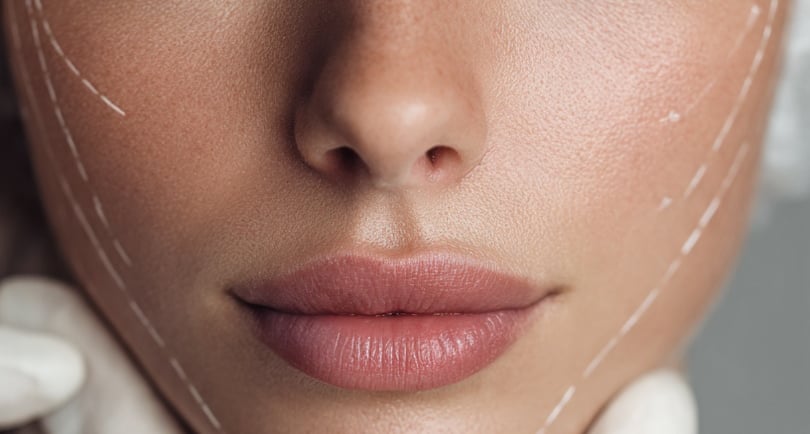
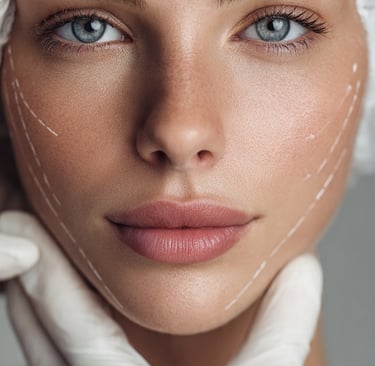
Introduction to Non-Surgical Face Lifts
In recent years, non-surgical face lifts have gained significant traction within the skincare industry, emerging as a popular alternative to traditional surgical procedures. This growing trend can be attributed to several factors, including advancements in skincare technology, a shift in consumer attitudes toward youthful appearance, and the desire for natural-looking results without the associated risks of invasive surgeries.
Non-surgical face lifts encompass a variety of procedures that utilize innovative techniques to rejuvenate the skin, enhance facial contours, and reduce the visible signs of aging. These treatments range from dermal fillers and Botox to more advanced technologies such as laser therapy and ultrasound, which aim to stimulate collagen production and improve skin elasticity. Such methods provide a range of options tailored to individual needs, allowing for a more personalized approach to skincare and aesthetic enhancement.
One of the primary motivations for the increasing acceptance of non-invasive procedures is the reduced downtime compared to surgical options. Patients can often return to their daily activities shortly after treatment, making non-surgical face lifts a more convenient choice for those with busy lifestyles. Furthermore, these procedures typically involve minimal discomfort and lower risks of complications, further contributing to their appeal.
The demand for youthful, vibrant skin, combined with the allure of maintaining a natural appearance, has propelled non-surgical face lifts to the forefront of aesthetic medicine. As more individuals prioritize their skincare regimens and seek innovative solutions, the market for these non-invasive treatments is expected to expand. Understanding this evolving landscape will be essential for both consumers and skincare professionals as we navigate the exciting advancements in aesthetic enhancement in the years to come.
Innovative Treatments to Explore
The realm of non-surgical face lift treatments is continuously evolving, with 2025 set to showcase an array of innovative techniques designed to rejuvenate the skin and enhance facial contours without the need for invasive procedures. One of the prominent treatments gaining traction is ultrasound therapy. This method utilizes focused ultrasound energy to stimulate collagen production in the deeper layers of the skin. As a result, patients experience tighter, lifted skin with minimal downtime. Its precision allows for targeted lifting, making ultrasound therapy an attractive option for those seeking natural-looking results.
Another noteworthy advancement in non-surgical face lifting is radiofrequency (RF) treatments. RF technology works by delivering controlled heat to the skin's deeper layers, promoting collagen and elastin remodeling. This process not only tightens the skin but also improves its texture and appearance. Due to its effectiveness and comfort, RF treatments are quickly becoming a staple in aesthetic practices. As the technology continues to evolve, we can expect enhanced RF devices that offer quicker treatments with longer-lasting results.
In tandem with these modalities, dermal fillers remain a fundamental component of the non-surgical face-lift toolkit. These injectable treatments provide volume to areas that may have flattened over time, such as the cheeks and nasolabial folds. As formulations improve, we see fillers becoming more versatile and longer-lasting, allowing for a more natural integration into the overall facial structure. Additionally, the rise of biostimulatory fillers—those that encourage collagen production—offers a new path to facial rejuvenation, providing subtle yet impactful improvements.
As we navigate through 2025, these innovative treatments will continue to shape the landscape of non-surgical cosmetic enhancements, empowering individuals to achieve their desired aesthetic goals while embracing the benefits of minimally invasive techniques.
Expert Tips for Non-Invasive Skincare
As the popularity of non-surgical face lifts continues to rise, it is essential to understand how to optimize the benefits of these treatments. Expert dermatologists and skincare professionals recommend several best practices that can enhance the results and extend the longevity of non-invasive procedures. One key aspect is the importance of a well-rounded skincare routine leading up to the treatment. This includes incorporating products rich in antioxidants, such as serums containing vitamin C, to protect the skin and promote a healthy glow.
Additionally, maintaining adequate hydration is crucial. Drinking plenty of water daily not only nourishes the skin but also helps maintain its elasticity, making it more receptive to non-invasive treatments. Moreover, it’s advisable to avoid excessive sun exposure before your procedure; ultraviolet (UV) rays can compromise skin health and inhibit optimal results. Regular use of a broad-spectrum sunscreen is vital to shield the skin from harmful rays and prevent premature aging.
Pre-treatment preparation is equally important. Consulting with a qualified skincare professional can provide personalized advice tailored to your skin type and treatment goals. They may suggest avoiding specific medications, such as blood thinners, which could affect the skin’s healing process post-treatment. Following the procedure, post-treatment care should include gentle cleansing and moisturizing to soothe the skin. Products containing hyaluronic acid can help absorb moisture and alleviate any swelling or discomfort.
Finally, incorporating regular maintenance treatments can significantly enhance skin health and prolong the effects of non-surgical face lifts. This may include upkeep with fillers, regular facials, and skin rejuvenation procedures. By adopting these expert tips, individuals can maximize the benefits of their non-invasive skincare treatments and achieve a youthful, vibrant appearance.
Techniques for Youthful, Natural-Looking Results
The pursuit of youthful and natural-looking aesthetics has led to the development of various techniques in non-surgical face lifts. These procedures offer a less invasive alternative to traditional surgical methods while still achieving significant results. Central to these techniques is the concept of customization; each treatment should be tailored to the individual’s skin type, age, and desired outcomes, ensuring optimal efficacy.
One popular method is microneedling, which involves using fine needles to create micro-injuries in the skin. This stimulates the body's natural healing processes, resulting in increased collagen and elastin production. Patients often report improvements in skin texture and firmness, leading to a youthful appearance. Another technique, chemical peels, employs acids to exfoliate the skin, removing dead cells and promoting the growth of fresh skin. This method can also reduce the appearance of fine lines and hyperpigmentation, producing a more even skin tone.
Sculptra is another innovative treatment making waves in non-surgical face lifting, utilizing poly-L-lactic acid to stimulate collagen production. Unlike traditional fillers that provide immediate results, Sculptra works gradually over several months, providing a more natural look by enhancing the facial structure and volume. This gradual approach often yields lasting results, making it a favored choice among many clients seeking rejuvenation.
Testimonials from satisfied patients underscore the effectiveness of these non-surgical techniques. Case studies reveal that individuals have experienced remarkable transformations, restoring their confidence without the need for invasive surgery. By concentrating on personalized treatment plans and utilizing advanced methods, practitioners can deliver youthful, natural-looking results that resonate with clients seeking aesthetic enhancement.
Safety First: What You Need to Know
As the landscape of non-surgical face lifts evolves in 2025, the importance of safety in cosmetic procedures cannot be overstated. Patients seeking these innovative treatments must prioritize their well-being by understanding the potential risks and selecting qualified practitioners. A non-surgical face lift can offer remarkable rejuvenation benefits; however, it is essential to approach these procedures with caution and care.
One of the primary considerations is choosing a qualified practitioner. Ensure that the professional you consult is certified and has extensive experience in administering non-surgical face lift treatments. Checking for credentials, reviews, and prior patient outcomes is critical to gauge a practitioner’s competence. A reputable practitioner will engage in detailed consultations, discussing your goals, medical history, and any existing conditions that may affect treatment outcomes.
Another essential aspect is to be aware of possible side effects and risks associated with non-surgical face lift techniques. While generally less invasive than surgical options, side effects can include swelling, bruising, or allergic reactions. Understanding these risks prepares you for any potential reactions and allows you to manage expectations following the procedure. Notably, the effectiveness and safety of treatment can vary based on individual skin types and conditions, which is why personal evaluations are crucial.
Conducting thorough research before committing to any cosmetic improvement is vital. Patients should utilize reputable sources, inquire about the latest technologies, and obtain detailed information about the specific procedure they are considering. Informed decisions are driven by knowledge, which can significantly reduce anxiety and enhance satisfaction with the results. In essence, prioritizing safety through informed choices and diligent research serves as the cornerstone of a successful non-surgical face lift experience.
The Most Popular Non-Invasive Options of 2025
As we move into 2025, the landscape of non-invasive skincare continues to evolve, offering a variety of options for individuals seeking skin tightening, wrinkle reduction, and overall facial rejuvenation. Among the most sought-after treatments this year are ultrasound therapy, radiofrequency skin treatments, and dermal fillers, each providing distinct benefits tailored to different skin concerns.
Ultrasound therapy, particularly the Ultherapy technique, has gained immense popularity due to its ability to stimulate collagen production deep within the skin without surgery. This method uses focused ultrasound waves to promote tightening and lifting, showing promising results for those looking to combat sagging skin in a non-invasive manner. Reviews by dermatologists highlight its safety profile and effectiveness, particularly for clients whom prefer gradual enhancements as opposed to drastic changes.
Radiofrequency treatments are also leading the charge in non-surgical face lift trends for 2025. Unlike traditional methods, these procedures use heat to stimulate deeper layers of skin, yielding immediate lifting effect while promoting long-term collagen replenishment. Many users appreciate the minimal downtime and comfort associated with these treatments, making them an appealing choice for maintaining youthful skin. Expert opinions affirm their efficacy, particularly for patients seeking subtle improvement over time.
Additionally, dermal fillers remain a staple in non-invasive facial rejuvenation. Innovations in filler formulations have made them safer and longer-lasting, addressing concerns of volume loss and fine lines effectively. The ability of fillers to restore youthful contours has made them increasingly popular among both younger and older demographics. Consumer trends indicate a growing preference for using these treatments in combination with other non-invasive options to achieve comprehensive facial rejuvenation.
In conclusion, the non-invasive options available in 2025 offer advanced solutions for those looking to enhance their appearance without surgical intervention. With ongoing advancements in technology and a wealth of expert endorsements, these treatments are paving the way for a new era in skincare.
Affordable and Low-Risk Alternatives
As skincare evolves, many individuals are increasingly seeking affordable and low-risk alternatives to traditional surgical face lifts. Non-surgical options, such as dermal fillers, Botox, and ultrasound therapy, offer effective solutions for facial rejuvenation without the need for invasive procedures. This shift toward non-invasive treatments has become a pivotal trend amongst consumers, driven primarily by the desire for more accessible and safer options.
Cost comparisons between surgical and non-surgical face lifts reveal a significant advantage for the latter. Surgical procedures can range anywhere from $7,000 to $15,000 or more, factoring in expenses such as anesthesia and postoperative care. Conversely, non-surgical treatments can cost a fraction of this, averaging between $500 to $2,500, depending on the specific service and geographic location. This stark difference in financial outlay not only makes non-surgical options more appealing but also feasible for a broader demographic.
Beyond affordability, the risk comparison further underscores the growing preference for non-surgical face lift methods. Surgical interventions typically carry potential complications such as infections, scarring, and prolonged recovery times. In contrast, non-invasive treatments often entail minimal downtime, with most individuals returning to their daily routines immediately after treatment. The likelihood of adverse effects is notably lower as well, making these alternatives a wise choice for those who are hesitant about the risks associated with surgery.
In addition, the ability to customize non-surgical approaches allows individual users to achieve results tailored to their unique needs. With less commitment required, consumers can experiment with different non-invasive techniques free from the permanence of surgical options. This flexibility has made non-surgical face lifts increasingly popular as an effective method for enhancing one’s appearance while ensuring safety and affordability. Exploring these alternatives can be a progressive step towards achieving desired aesthetic goals.