
Sulfate-Free vs Regular Shampoo: Benefits, Myths & Truth
Understand the real difference between sulfate-free and regular shampoos and decide which one is best for your hair health.
SULFATE FREE AND REGULAR SHAMPOOHAIRCARE
Shineweneed Editor
12/17/20257 min read
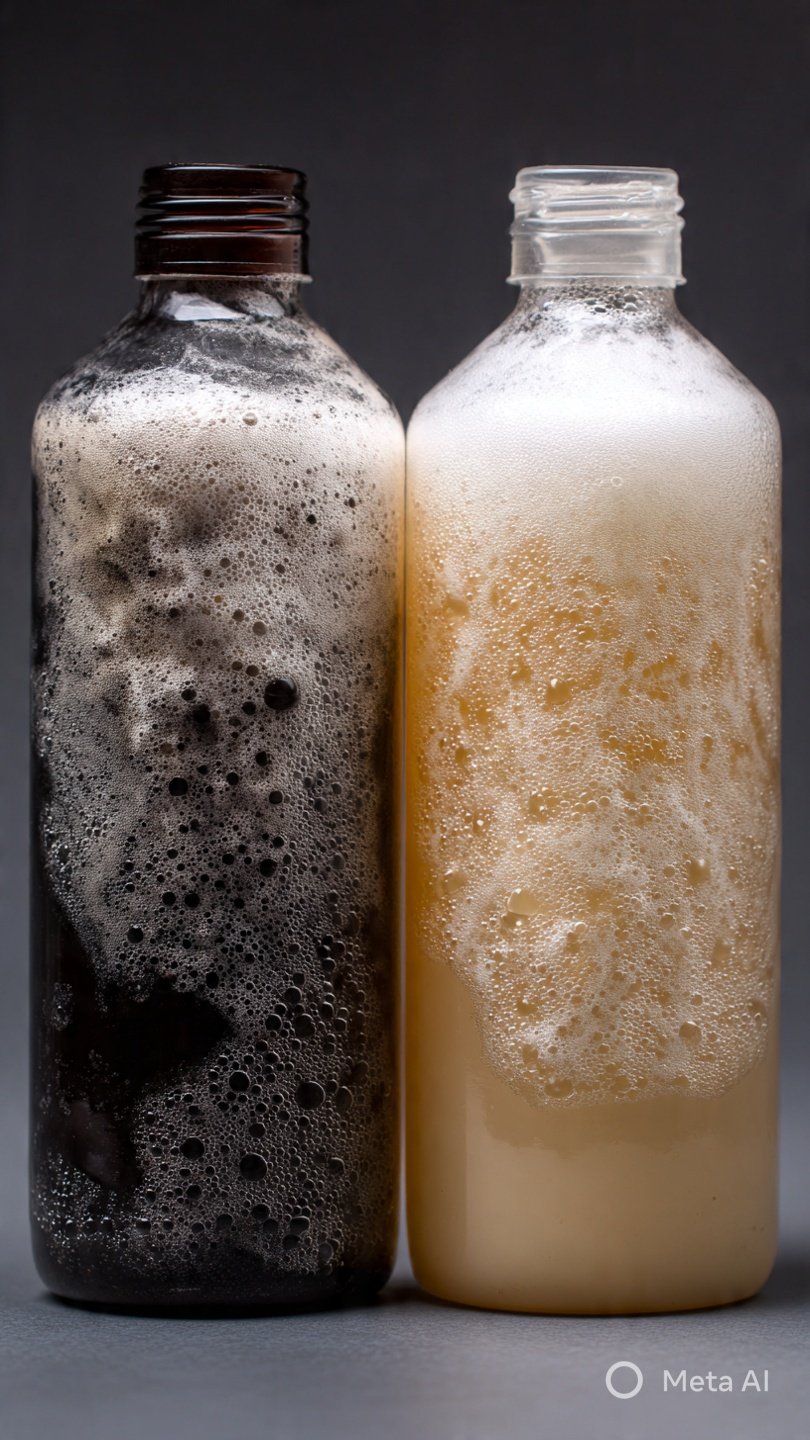
Introduction to Sulfate-Free and Regular Shampoos
Sulfates are a group of detergents commonly used in a variety of personal care products, including shampoos, due to their ability to create a rich lather and effectively remove dirt and oil. The most widely utilized sulfates in hair care include sodium lauryl sulfate (SLS) and sodium laureth sulfate (SLES). These compounds are surfactants, which means they lower the surface tension of water, allowing products to spread easily and cleanse effectively. While they are effective at cleansing the scalp and hair, their strong detergent properties can sometimes lead to dryness or irritation, particularly for individuals with sensitive skin or specific hair types.
The surge in popularity of sulfate-free shampoos can largely be attributed to growing consumer awareness of the potential negative effects of sulfates. Many users aim to adopt gentler hair care routines that protect natural oils and minimize irritation. Sulfate-free options often contain milder cleansing agents derived from natural sources or other synthetic alternatives that do not strip the hair of its essential moisture. This shift reflects a broader trend towards natural and organic beauty products as consumers seek to avoid harsh chemicals in their grooming routines.
Furthermore, the conversation surrounding sulfate-free and regular shampoos extends beyond personal preference to cultural and environmental concerns. Advocates for sulfate-free formulations argue that these products offer a gentler approach to hair care, resulting in healthier and more vibrant hair. Critics, however, claim that sulfates are not inherently harmful and that they serve an important role in the cleansing process. As the debate continues, understanding the core differences between these two types of shampoos becomes essential for informed decision-making regarding hair care.
The Benefits of Sulfate-Free Shampoo
Sulfate-free shampoo has gained considerable popularity in recent years, particularly among individuals seeking a gentler alternative for their hair care routine. One of the primary advantages of sulfate-free formulations is their mild nature, which makes them suitable for various hair types, including sensitive scalps. Unlike regular shampoos that contain sulfates, sulfate-free shampoos do not strip natural oils from the hair and scalp, promoting healthy hair texture and shine.
Another significant benefit of using sulfate-free shampoo is its compatibility with color-treated hair. Those who invest in hair coloring often experience fading when exposed to harsh cleansing agents that sulfates include. Sulfate-free options help to maintain color vibrancy, preventing premature fading. The gentle cleansing formula allows the hair dye to adhere better to the hair cuticles, ensuring that the color lasts longer and looks fresh.
Furthermore, sulfate-free shampoos retain moisture more effectively than traditional shampoos. This is particularly beneficial for individuals with dry or curly hair, as these hair types typically require higher moisture levels to prevent frizz and breakage. By avoiding sulfates, users can maintain a balanced level of hydration, resulting in healthier, more manageable hair.
Additionally, individuals with certain scalp conditions such as eczema or psoriasis may find that sulfate-free shampoos reduce irritation and dryness associated with these issues. The lack of harsh chemicals allows for a more soothing cleansing experience, minimizing discomfort often caused by conventional shampoos. Overall, the shift towards sulfate-free formulations addresses a growing need for gentler, more effective hair care solutions that cater to diverse hair types and conditions.
The Benefits of Regular Shampoo
Regular shampoos, often characterized by their inclusion of sulfates, serve a vital role in cleansing the hair and scalp. Sulfates are effective surfactants that work by creating a rich lather, which not only aids in the removal of dirt and oil but also facilitates the elimination of product buildup. For individuals who frequently use styling products or have naturally oily hair, regular shampoos can provide a deep clean that sulfates are particularly good at delivering. This makes them indispensable for those seeking to maintain a clean and healthy scalp.
Moreover, the cost-effectiveness of regular shampoos cannot be overlooked. Generally, these shampoos are more affordable than their sulfate-free counterparts, making them a practical option for many consumers. The availability of regular shampoos is also greater; they can be found in most drugstores, supermarkets, and online platforms. This widespread accessibility ensures that consumers have a variety of options when it comes to choosing hair care products that fit their budget and specific needs.
In certain situations, regular shampoos may indeed be more beneficial. For instance, individuals who engage in sports or those with an active lifestyle might benefit from the robust cleansing capabilities of sulfates, as they help remove sweat and environmental pollutants effectively. Additionally, people with thicker hair types may find that regular shampoos help achieve a more manageable texture. While it is essential to acknowledge the potential downsides of sulfates, primarily for those with sensitive scalps or certain hair types, the benefits of regular shampoo cannot be discounted, particularly when it comes to efficacy and cost.
Common Myths About Sulfate-Free and Regular Shampoos
Understanding the differences between sulfate-free and regular shampoos is essential in choosing the right hair care product. However, several myths have emerged in this discourse that may lead consumers to make uninformed decisions. One prevalent myth is that all sulfates are harmful. While it is true that sulfates, particularly sodium lauryl sulfate (SLS) and sodium laureth sulfate (SLES), can be too harsh for some hair types, they are not inherently bad for everyone. For individuals with oily hair or those who use a lot of hair products, sulfates can effectively remove grease and residue. The misconception stems from a misinterpretation of their effects, leading to an oversimplification of this complex issue.
Another widespread myth is that sulfate-free shampoos do not cleanse effectively compared to their sulfate-containing counterparts. Many people believe that the absence of sulfates means less lather and cleaning power. However, sulfate-free shampoos utilize alternative cleansing agents that provide a gentler, yet still effective, cleaning experience. Although they may not produce the same rich foam, they can still remove dirt and products from the hair without stripping it of essential oils. Furthermore, those with sensitive scalps or dry hair often find sulfate-free options more suitable, as they minimize irritation.
Additionally, there is a misconception that switching to sulfate-free shampoo guarantees healthier hair. While sulfate-free formulas can be gentler, achieving healthy hair ultimately depends on several factors, including overall hair care practices, individual hair type, and environmental influences. It is crucial for consumers to evaluate their unique hair needs rather than solely relying on the shampoo label. Addressing these myths allows consumers to make better-informed choices tailored to their hair care routine.
Evaluating Your Hair Type and Needs
When considering whether to choose sulfate-free or regular shampoo, it is essential to evaluate your hair type and specific hair care needs. Different hair types respond uniquely to various shampoos, which can significantly influence the overall health and appearance of your hair. Recognizing your hair's texture, porosity, and moisture level is crucial in making an informed decision.
For individuals with curly hair, sulfate-free shampoo is often recommended. Sulfates can strip the hair of its natural oils, leading to dryness and frizz. Curly hair tends to be drier due to its structure, making sulfate-free options particularly beneficial as they help maintain moisture levels. Conversely, straight hair, particularly if it is fine and oily, may benefit from regular shampoo, which can effectively remove excess oil and buildup. However, if this hair type is color-treated or prone to damage, a gentle sulfate-free formula may offer a balanced approach.
Another important factor to consider is hair porosity. High porosity hair tends to absorb moisture easily but can also lose it quickly. Individuals with this hair type might want to opt for sulfate-free shampoos that provide nourishing ingredients to help retain moisture. On the other hand, low porosity hair, which is resistant to moisture absorption, may benefit from clarifying shampoos to remove buildup without excess hydration.
Additionally, understanding your scalp condition is vital. Those with oily scalps may lean towards regular shampoos for effective cleansing, while individuals with dry scalps could find sulfate-free shampoos more suitable, as they are typically gentler and less drying. Ultimately, identifying your hair type and needs is paramount when choosing between sulfate-free and regular shampoos, ensuring that you select a product tailored to enhance your hair's health and appearance.
Choosing the Right Shampoo for You
Selecting the appropriate shampoo hinges on various factors that align with individual hair care routines and overall hair health goals. Understanding your hair type—be it straight, wavy, curly, or coily—is paramount when choosing a shampoo. Each hair type may react differently to ingredients, which contributes to the need for personalized selection.
One of the most critical aspects of choosing shampoo is examining its ingredient list. Ingredients like sulfates, which are common in regular shampoos, can strip the hair of its natural oils, potentially leading to dryness and damage. On the other hand, sulfate-free shampoos are designed to cleanse without removing essential moisture, making them suitable for individuals with dry or color-treated hair. Be mindful of other ingredients too, such as parabens and silicones, as they may also impact hair health differently.
Customer preferences play a vital role in the shampoo selection process. For some, the scent and texture of the shampoo can affect the overall experience of washing hair. Others may prioritize price and brand reputation over these aspects. Therefore, understanding your priorities can help narrow down choices significantly.
Experimentation is also beneficial. Not every shampoo will deliver the expected results on your first try. Testing different formulations, including gels, creams, and clarifying types, allows you to determine how your hair responds to various products. Consider maintaining a hair journal to note how each shampoo affects your hair over time, including hydration levels and overall shine.
Ultimately, choosing the right shampoo is a blend of understanding your hair type, closely examining ingredient lists, and being open to experimentation. This personalized approach will help ensure that you find the most suitable products for your unique hair needs, leading to improved hair health and vitality.
Conclusion: Making an Informed Decision
In evaluating the differences between sulfate-free and regular shampoos, it is essential to recognize how these formulas cater to various hair types and concerns. Initially, sulfate-free shampoos offer a gentler cleansing option, making them particularly appealing for those with sensitive scalps, color-treated hair, or dry hair. The absence of sulfates in these shampoos minimizes the risk of stripping natural oils, potentially leading to improved moisture retention and overall hair health.
On the other hand, regular shampoos that contain sulfates tend to be more effective at removing buildup and providing a more intense cleansing experience. For individuals whose hair is exposed to frequent styling products or environmental pollutants, regular shampoos might be beneficial in maintaining cleanliness and scalp health. However, the harsh nature of sulfates can be a cause of concern for many users, particularly for those who might suffer from irritation or find their hair becoming overly dry.
It is equally important to address the myths surrounding sulfate-free shampoos. Some consumers mistakenly believe that these products do not cleanse effectively or that they are inherently more beneficial than their sulfate-containing counterparts. Understanding that not all hair types will react the same way to these products is vital in dispelling such myths. Individual hair needs, along with personal experiences, should guide one’s decision-making process.
Ultimately, the choice between sulfate-free and regular shampoo depends on individual hair health, styling habits, and personal preferences. By weighing the benefits, considering the associated myths, and reflecting on one's unique hair characteristics, consumers can make informed decisions regarding which type of shampoo best suits their needs, thereby promoting healthier and more manageable hair.