
Navigating Pollution's Impact on Skin: Strategies for Protection in 2025
Pollution ravages skin worldwide by generating free radicals that trigger oxidative stress, accelerating aging and inflammation. "Pollution skin damage protection 2025" trends globally as urban dwellers seek antioxidant shields against PM2.5, ozone, and PAHs in hazy skies.
ANTI-POLLUTION SKINCARE
12/11/20258 min read
Understanding Pollution and Skin Health
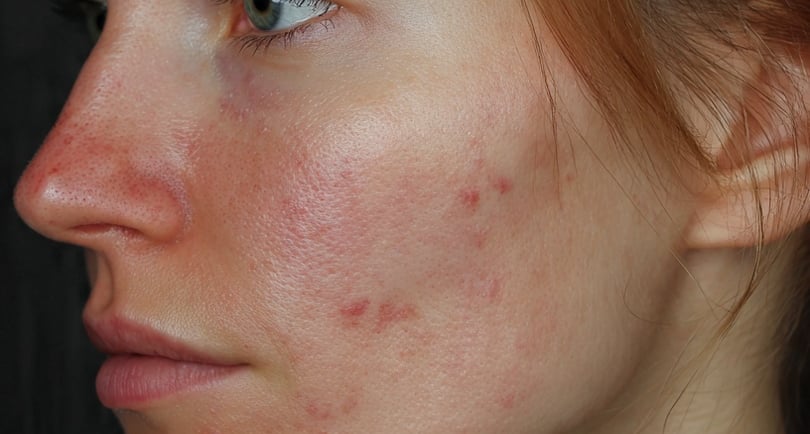
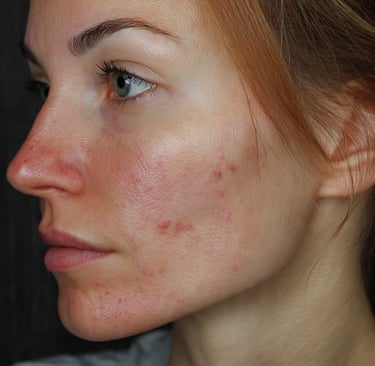
The detrimental effects of environmental pollution on skin health have become increasingly evident in recent years. Various pollutants, including particulate matter (PM2.5), ozone, and polycyclic aromatic hydrocarbons (PAHs), permeate the air we breathe, and their consequences extend to our skin. PM2.5 refers to tiny particles less than 2.5 micrometers in diameter, which can easily penetrate the skin barrier, leading to oxidative stress and subsequent skin damage. Ozone, a reactive gas, can deplete essential skin proteins, such as collagen, while PAHs, often produced from incomplete combustion of organic matter, introduce additional harmful compounds that can exacerbate skin problems such as acne and premature aging.
The physiological mechanisms behind these effects are complex. When pollutants settle on the skin surface, they can generate oxidative stress by promoting the formation of free radicals. These unstable molecules harm skin cells by disrupting normal cellular function, leading to inflammation and accelerated aging. Oxidative stress can compromise skin's integrity and diminish its ability to heal, resulting in issues like dryness, uneven skin tone, and increased visibility of fine lines. Moreover, the inflammatory responses triggered by pollutants can exacerbate existing skin conditions, making individuals more vulnerable to disorders such as eczema or psoriasis.
In addition to the direct impact of these environmental factors, pollution can also affect the skin’s microbiome, disrupting the balance of beneficial bacteria. This disruption can lead to compromised skin barrier function, making the skin more susceptible to further damage and irritation. As urbanization continues to expand and pollution levels rise globally, understanding how these pollutants interact with our skin biology becomes increasingly essential. Addressing these challenges requires not only awareness of the pollutants themselves but also proactive strategies to mitigate their effects on skin health.
The Science Behind Pollution-Induced Skin Damage
Pollution has increasingly become a significant factor affecting skin health, with various environmental pollutants triggering complex biological processes within skin cells. One of the key mechanisms by which pollution adversely impacts the skin involves the depletion of intrinsic antioxidants, particularly Vitamin E. These antioxidants are crucial for neutralizing free radicals produced as a result of environmental stressors. When these antioxidants are depleted, the skin becomes more susceptible to oxidative stress, which accelerates the aging process and contributes to a range of skin issues.
Moreover, exposure to pollutants can lead to lipid peroxidation, a process that damages the lipids within skin cells. This damage disrupts the skin's barrier function, resulting in dryness and increased sensitivity. As the lipids oxidize, the skin loses its ability to retain moisture, thereby exacerbating issues such as flakiness and irritation. This heightened vulnerability underscores the importance of maintaining a robust skin barrier, which is often compromised due to environmental factors.
Furthermore, pollution activates the aryl hydrocarbon receptor (AhR) pathways within skin cells. This activation can lead to an upregulation of matrix metalloproteinases (MMPs), enzymes responsible for the degradation of collagen and elastin in the skin. The increased expression of MMPs is linked to a decrease in skin elasticity and firmness, resulting in visible signs of aging, such as wrinkles and enlarged pores. The impact of these biological processes highlights the intricate relationship between environmental pollutants and skin health, necessitating the need for protective measures against pollution-related skin damage.
Chronic Inflammation and Its Effects on Skin Conditions
Chronic inflammation is increasingly recognized as a significant contributor to various skin conditions in modern society. Exposure to environmental pollutants, specifically heavy metals and reactive oxygen species (ROS), plays a crucial role in triggering this inflammatory response. Heavy metals, including lead, cadmium, and arsenic, can infiltrate the skin barrier, resulting in irritation and exacerbating conditions such as acne, eczema, and hyperpigmentation. The presence of these pollutants instigates an inflammatory reaction that can disrupt normal skin functions and healing processes.
Reactive oxygen species, which are unstable molecules produced in the body due to environmental stressors, also contribute to chronic inflammation. When the skin is exposed to pollutants, ROS can overwhelm the natural antioxidant defenses, leading to oxidative stress. This imbalance further fuels inflammation, which can manifest as redness, swelling, and irritation. The prolonged presence of these inflammatory markers can worsen the symptoms of pre-existing skin conditions and provoke the appearance of new issues.
In the context of acne, inflammation can lead to increased oil production, clogged pores, and the proliferation of acne-causing bacteria. This cascade of events not only causes breakouts but may also leave lasting scars. Conversely, in conditions like eczema, the inflammatory response can result in dryness and sensitivity, contributing to an itchy and irritated skin barrier. Hyperpigmentation, defined by darkened patches or spots on the skin, can also be exacerbated by pollutants through inflammatory pathways that stimulate excess melanin production.
Understanding the mechanisms by which pollution-induced chronic inflammation affects these skin conditions is essential for developing effective prevention and treatment strategies. By addressing pollution exposure and its associated inflammation, individuals can implement more effective skincare routines that promote healthier skin, mitigating the adverse effects of environmental aggressors.
Antioxidant Shields Against Pollution: The 2025 Trend
As urban areas continue to face increasing levels of pollution, skincare products rich in antioxidants are gaining prominence among consumers. The rising awareness of the detrimental effects of environmental stressors on skin health has led to a notable trend: the search for effective ‘antioxidant shields’. These products aim to combat the damaging impact of pollutants, particularly PM2.5—fine particulate matter known for penetrating the skin barrier and contributing to various skin issues.
Consumers are becoming more educated about the ingredients that protect against oxidative stress. Key components, such as vitamins C and E, are frequently highlighted in modern formulations. Vitamin C, a potent antioxidant, is known for its ability to neutralize free radicals generated by pollution, thereby reducing inflammation and improving the overall complexion. Similarly, vitamin E plays a crucial role in maintaining skin barrier function and protecting against lipid peroxidation, which can weaken the skin’s defenses against external aggressors.
In the pursuit of developing innovative skincare solutions, brands are leveraging technological advancements to enhance the efficacy of these antioxidant-rich products. For instance, encapsulated vitamins, which allow for targeted delivery and prolonged release, are starting to appear in formulas, ensuring that the skin is continuously defended against pollutants. Additionally, the incorporation of botanical extracts, such as green tea and resveratrol, has emerged as a popular strategy to fortify the antioxidant capacity of skincare routines, further addressing the challenges faced by those living in polluted environments.
As we navigate through 2025, it is clear that the focus on antioxidant shields will not only redefine skincare routines but also empower individuals to combat pollution’s effects more effectively. Emphasizing the importance of selecting products with these protective ingredients will be essential for urban dwellers looking to preserve their skin's health amidst rising pollution levels.
Effective Cleansing Strategies for Skin Protection
As urbanization and industrialization continue to rise, the importance of maintaining skin health in polluted environments becomes increasingly paramount. One of the most effective strategies for skin protection against pollution is the practice of double cleansing. This method involves two distinct cleansing steps aimed at thoroughly removing impurities, pollutants, and makeup that may accumulate on the skin throughout the day.
The first step in double cleansing typically involves an oil-based cleanser. Oil-based formulas effectively dissolve makeup, sebum, and environmental pollutants that cling to the skin. This initial cleanse ensures that surface-level impurities are adequately lifted away. Users should gently massage the oil cleanser onto dry skin for a few minutes, allowing it to break down heavy accumulations. Using a soft cloth or cotton pad to wipe away the oil can enhance the cleansing process, ensuring that no residue remains.
The second step requires a water-based cleanser, which is designed to remove any remaining residues and further detoxify the skin. This step is crucial because it enhances the skin's ability to breathe and rejuvenate overnight. When selecting a water-based cleanser, it is advisable to choose one that is suitable for your skin type, avoiding formulations that may strip the skin of its essential moisture. Gentle cleansers containing hydrating ingredients such as glycerin or aloe vera can be particularly beneficial.
After cleansing, maintaining hydration is vital. Pollution can disrupt the skin barrier, leading to dryness and irritation. Therefore, incorporating hydrating toners or serums post-cleansing can ensure that the skin remains moisturized. It is essential to choose products that soothe the skin and support the barrier, helping to restore balance and protect against future environmental damage. By consistently applying these effective cleansing strategies, individuals can significantly improve their skin’s resilience against the adverse impacts of pollution.
Integrating Protective Measures into Daily Routine
As pollution continues to pose significant threats to skin health, it is essential to adopt a holistic strategy that combines effective skincare products with mindful lifestyle choices. By integrating protective measures into one’s daily routine, individuals can significantly reduce the adverse effects of environmental toxins on their skin. A foundational step involves the use of serums, creams, and masks rich in antioxidants. These products work by neutralizing free radicals produced by pollutants, thereby fortifying the skin's natural barrier.
When selecting skincare items, look for formulations that contain active ingredients such as vitamin C, vitamin E, green tea extract, or niacinamide. These powerful antioxidants help counteract damage and promote skin resilience. Applying a high-quality antioxidant serum in the morning before sunscreen not only enhances protection but also revitalizes the complexion, helping it appear healthier and more radiant.
Beyond topical applications, lifestyle changes play a crucial role in safeguarding the skin from pollution. One effective habit is to wear protective clothing, such as hats with wide brims or lightweight face masks, when outdoors, particularly during high pollution days. These garments can act as a physical barrier, reducing the exposure of the skin to harmful airborne particles.
Additionally, staying indoors during peak pollution hours—typically in the early morning and late afternoon—can greatly minimize exposure risks. If outdoor activities are unavoidable, consider planning them for times when pollution levels are lower. Moreover, incorporating air-purifying plants in living spaces and utilizing high-quality air purifiers can significantly improve indoor air quality, further protecting the skin.
By creating a comprehensive approach that blends effective skincare with proactive lifestyle adjustments, individuals will be better equipped to navigate the challenges posed by pollution, ultimately leading to improved skin health and appearance.
Future Innovations in Skincare Technology
The rapid advancements in technology and scientific research hold great promise for the skincare industry, particularly concerning the protection of skin against pollution. By 2025, we anticipate significant innovations, including smart skincare formulations that can actively adapt to environmental stressors. These formulations will utilize sensors to gauge pollution levels, humidity, and UV exposure, tailoring the product's efficacy to the user's specific needs. As such, these intelligent products will offer personalized skincare solutions that not only address existing concerns but also preemptively shield the skin from potential damage.
Another promising area of innovation is the development of biomimetic ingredients, which are designed to replicate the skin's natural functions. These ingredients can reinforce the skin's barriers against pollutants, enhancing its resilience in a toxin-laden environment. For instance, researchers are keenly focused on materials that mimic the skin's natural lipids, which can help restore moisture while simultaneously blocking harmful particles. Such advancements can provide a multifaceted approach to skincare, addressing both hydration and personal defense against environmental aggressors.
Moreover, advancements in nanotechnology may play a crucial role in future skincare applications. By utilizing ultra-fine particles, skincare products can be engineered to penetrate deeper into the skin, delivering actives more effectively. This technology can enhance the interplay of antioxidants and skin-soothing compounds, which are vital in combating oxidative stress resulting from pollution exposure. These innovations are not merely speculative but are grounded in ongoing research efforts aimed at creating more efficient and effective skincare solutions.
Ultimately, as we approach 2025, we can expect a paradigm shift in skincare that emphasizes not only treatment but also proactive protection. This future is poised to usher in new trends in research and development, enabling consumers to tackle the effects of pollution on their skin with confidence and resilience.