Hair Care Trends 2025: Ingredients & Shampoo Innovations
HAIRCARE
Shineweneed Editor
12/19/20258 min read
Introduction to Hair Care Trends 2025
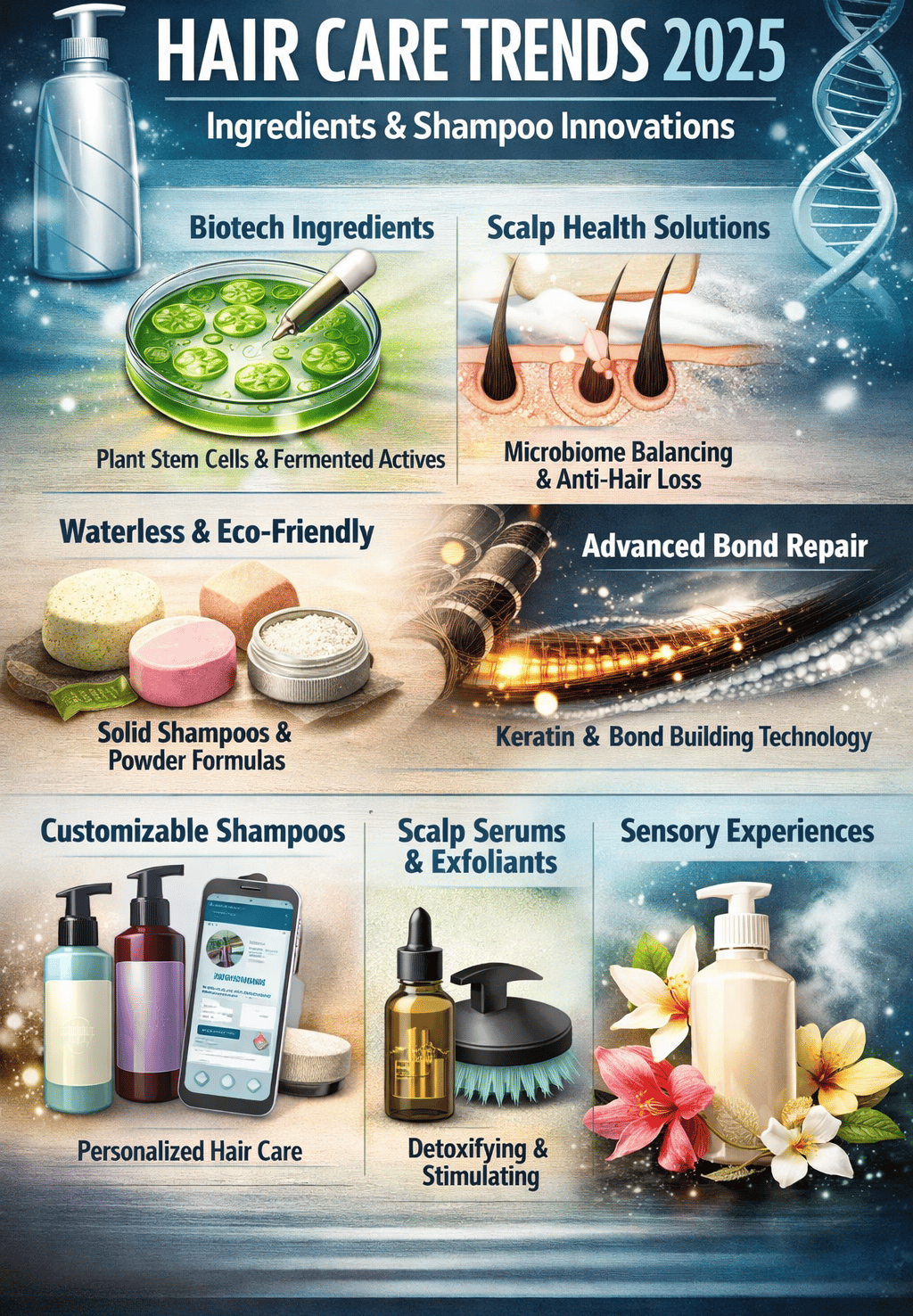
The hair care industry is continually evolving, and as we look toward 2025, several significant trends are beginning to take shape. One of the most notable developments is the increasing emphasis on personalized hair care. Consumers are seeking products that cater specifically to their individual hair types, conditions, and concerns, making tailored formulations more prominent than ever. This shift towards customization is driving brands to innovate, leading to the incorporation of unique ingredients that can provide targeted benefits.
In addition to personalization, there is a growing interest in the sustainability of hair care products. Today's consumers are increasingly aware of the environmental impact of their choices and are advocating for the use of sustainably sourced ingredients and eco-friendly packaging. As a result, brands are under pressure to not only deliver effective hair care solutions but also ensure that their products align with a responsible, ethical approach to manufacturing.
Moreover, consumers are becoming more knowledgeable about the ingredients found in their hair products. This trend towards transparency and health consciousness means that ineffective or harsh chemicals are falling out of favor, while natural and organic ingredients are gaining popularity. Innovations in formulation are leading to shampoos and treatments that not only cater to aesthetic desires but also promote the overall health of the hair and scalp.
As we delve deeper into 2025, it is clear that these trends reflect broader societal shifts. Personalization, sustainability, and health consciousness are not just passing fads; they represent a paradigm shift in consumer expectations. Brands that adapt to these evolving preferences are likely to thrive, setting the stage for a new era in the hair care industry.
Key Ingredients Revolutionizing Hair Care
The hair care industry is witnessing a remarkable evolution in ingredient formulations, as we approach the trends of 2025. Central to this transformation are natural and organic components, which are becoming increasingly pivotal in consumer purchasing decisions. Among these, adaptogens and superfoods are leading the charge, promising not only aesthetic benefits but also holistic health-enhancing properties.
Adaptogens, such as ashwagandha and ginseng, have long been celebrated for their stress-relieving qualities. Recent studies suggest that when incorporated into hair care products, these potent herbs can help improve scalp health and hair vitality by reducing inflammation and promoting circulation. On the other hand, superfoods like moringa and kale are gaining traction as powerful antioxidants, capable of safeguarding hair from oxidative stress, which can lead to premature aging and hair loss. Their rich nutrient profiles enhance the overall strength and shine of hair, making them especially appealing in the formulation of shampoos and conditioners.
In addition to these natural ingredients, scientific advancements are also playing a crucial role in the development of innovative hair care products. Breakthroughs in biotechnology are allowing for the creation of biocompatible ingredients that enhance the absorption and efficacy of active compounds in hair formulations. For instance, encapsulation technologies are now being employed to deliver nutrients directly to the hair shaft, ensuring maximum impact. Such innovations not only optimize the benefits of natural ingredients but also align with the increasing consumer demand for safe and effective hair care solutions.
As we move closer to 2025, the emphasis on incorporating these revolutionary ingredients into hair care products demonstrates an industry shift towards prioritizing both health and sustainability. This evolution signifies a promising future for consumers seeking effective solutions to enhance their hair health while also being mindful of environmental impact.
Shampoo Innovations: What to Expect
The hair care industry is poised for exciting transformations in the realm of shampoo formulations as we approach 2025. With the growing demand for efficacy and sustainability, innovative technologies are emerging to reshape our hair washing routines. One remarkable trend is the introduction of waterless shampoos. These products utilize a novel approach to redefine the application of shampoo, eliminating the need for water during usage. Consumers are increasingly gravitating towards this option due to its eco-friendly nature, as it reduces plastic waste from bottled products and conserves valuable water resources.
Another significant advancement in shampoo formulation is the use of microencapsulation technology. This method involves encapsulating active ingredients within a protective barrier, allowing for controlled release upon application. As a result, the benefits of nourishing oils, vitamins, and other essential compounds can be delivered effectively to the hair fibers. The microencapsulation not only enhances the longevity of the benefits but also ensures that users experience a distinct and noticeable difference in their hair's texture and health.
Moreover, the trend of customizable shampoo options is gaining traction. Brands are now offering personalized solutions tailored to individual hair types and concerns. Consumers can choose from a range of ingredients and formulations, creating a shampoo that meets their specific needs—be it soothing scalp irritation, combating frizz, or enhancing shine. This level of personalization allows for a thoughtful approach to hair care, empowering users to take charge of their hair health.
In summary, the innovations in shampoo formulation expected in 2025 center around waterless solutions, microencapsulation technology, and customizable options. These advancements not only focus on improving product efficacy but also aim to enhance the overall user experience, ensuring consumers receive high-performance hair care that aligns with their values and lifestyle.
Sustainable Practices in Hair Care
The hair care industry is witnessing a significant shift towards sustainability, driven by consumer demand for eco-friendly products and practices. As awareness of environmental issues rises, brands are increasingly adopting sustainable practices in their operations, particularly in packaging and product formulations.
One of the most prominent trends is the move towards eco-friendly packaging. Many brands are designing their packages utilizing recyclable materials, thereby reducing plastic waste. Furthermore, refillable products have gained popularity, allowing consumers to rejuvenate their hair care products without the need for an entirely new container. This initiative not only minimizes waste but also encourages brand loyalty as consumers partake in a long-term relationship with the product.
In addition to packaging innovations, the hair care industry is also focusing on the utilization of biodegradable ingredients. These ingredients are often derived from natural sources, contributing to reduced environmental impact. They break down more easily than synthetic compounds, thus lessening the burden on landfills and wastewater systems. Brands are now crafting formulations that highlight the presence of these eco-friendly ingredients, aiming to attract environmentally conscious consumers.
Moreover, transparency has become a paramount concern among consumers. Shoppers today actively seek information about the ingredients in their hair care products and the ethical practices of the companies they support. In response, many brands are now transparent about sourcing, production processes, and ingredient lists. This information empowers consumers to make informed choices that align with their environmental values.
Overall, the trend towards sustainability in hair care represents a critical evolution within the industry. As brands respond to consumer demand for environmentally responsible practices, the market is set for further innovation aimed at protecting both hair health and the planet.
The Rise of Clean Beauty in Hair Care
The clean beauty movement has garnered significant momentum in recent years, profoundly influencing the hair care industry. Clean beauty refers to products formulated without harmful ingredients, like sulfates, parabens, and phthalates, which can negatively affect both personal health and the environment. This perspective encourages formulations that prioritize natural, non-toxic components while ensuring efficacy, and as a result, it is increasingly shaping choices among consumers.
In the context of hair care, the clean beauty trend emphasizes a commitment to transparency. Brands are now expected to explicitly disclose the ingredients they use, fostering trust and empowering consumers to make informed decisions. Shoppers are becoming more knowledgeable about which chemicals to avoid and are actively seeking hair care products that align with their values of safety and sustainability. This shift signifies a broader demand for alternatives that are gentle yet effective for hair treatment.
The focus on clean beauty corresponds with a growing awareness of the potential long-term effects of synthetic chemicals, thus spurring consumers to gravitate toward products crafted from organic materials. Ingredients such as botanical extracts, nourishing oils, and naturally derived fragrances are on the rise. Moreover, the popularity of DIY hair care solutions is indicative of the desire for personalized, pure alternatives, where consumers often blend natural ingredients themselves to enhance their hair health.
As manufacturers respond to these shifts, we are witnessing innovations that marry clean beauty principles with high-performance formulations. Consequently, the clean beauty movement is not just a passing trend but has established itself as an essential aspect of modern hair care, reflecting a collective desire for safer, cleaner alternatives.
The Role of Technology in Hair Care
As we move towards 2025, the influence of technology on hair care is becoming increasingly pronounced. The introduction of personalized hair diagnostics marks a significant advancement, enabling consumers to take a tailored approach to their hair care routines. These diagnostics analyze individual hair types, scalp conditions, and lifestyle factors to offer customized recommendations, ensuring users can achieve optimal hair health.
Artificial intelligence (AI) is playing a pivotal role in this evolution. AI-driven platforms are emerging, which provide recommendations based on data collected from various sources, such as user feedback and product efficacy studies. This form of technology not only simplifies the selection process for hair care products but also enhances user experience by suggesting solutions tailored to specific concerns, whether it be hair loss, dryness, or color maintenance. Furthermore, these intelligent systems learn and adapt over time, refining their advice as they gather more data about user preferences and product interactions.
Moreover, virtual consultations are becoming more commonplace within the hair care industry. Many brands now offer online consultations with hair care specialists, integrating video technology to provide personalized guidance from the comfort of one’s home. This innovation is particularly beneficial for individuals seeking expert advice but who may have limited access to physical salons or clinics. Through these consultations, consumers can receive valuable insight into their hair care concerns, helping to bridge the gap between traditional methods and modern-day conveniences.
In addition to these innovations, smart tools and devices are entering the market, designed to enhance hair care routines. For instance, hairbrushes equipped with sensors can analyze hair health in real-time, offering users immediate feedback on their hair's condition. As these technologies continue to evolve, they promise to revolutionize hair care practices, making them more interactive and user-centered than ever before.
Conclusion: Embracing the Future of Hair Care
As we approach 2025, the hair care industry is poised for significant transformation driven by innovative ingredients and emerging shampoo technologies. Key trends suggest a stronger focus on sustainability, with eco-friendly formulations and packaging becoming increasingly prominent. Consumers are more aware of their environmental impact, which encourages brands to adopt greener practices and offer products that reflect this shift.
Additionally, personalized hair care is gaining traction. With advancements in technology, such as AI and data analysis, brands are now able to provide tailored solutions that address individual hair types, textures, and specific concerns. This level of customization empowers consumers to make informed choices and invest in products that suit their unique needs.
Moreover, the incorporation of health-focused ingredients stands out as a trend set to redefine hair care rituals. Ingredients traditionally associated with wellness, such as adaptogens and plant-based extracts, are being integrated into formulations designed to promote scalp health and enhance hair vitality. By prioritizing the overall health of the hair and scalp, these innovations cater to a growing consumer desire for holistic wellness.
It is essential for both consumers and industry players to stay abreast of these trends, as they signal how the market is evolving. Brands that fail to adapt to changing preferences and values may find themselves left behind. Therefore, embracing these innovations can lead to a more satisfying and effective hair care experience.
In conclusion, as the industry continues to evolve in response to consumer demands and environmental considerations, it is crucial that readers remain open to exploring new products that align with these emerging trends. By doing so, they can confidently navigate the exciting changes that await in the world of hair care.