
Discover Effective Natural Treatments for Hormonal Acne in 2025
"Discover proven ways to treat hormonal acne naturally in 2025 with Vitex, saw palmetto, and omega-3s for clear skin. Beat jawline breakouts using home remedies like aloe vera masks and anti-inflammatory diets—no harsh chemicals needed!
ACNE FREE
12/13/20257 min read
Understanding Hormonal Acne
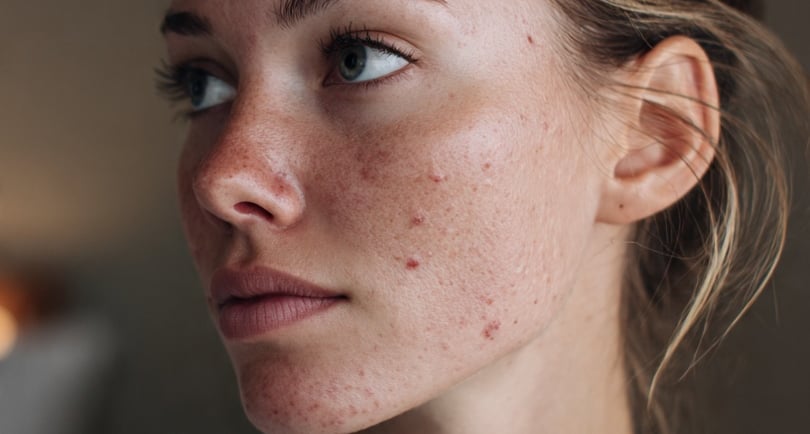
Hormonal acne is a common skin condition that occurs when excess oil production, stemming from hormonal fluctuations, clogs hair follicles, leading to blemishes such as pimples and cysts. This type of acne usually appears on the lower face, jawline, and neck and is prevalent among adolescents and adults alike. Understandably, hormonal changes during puberty instigate higher levels of androgens, which are male hormones found in both males and females, prompting the sebaceous glands to produce more oil.
In addition to puberty, hormonal acne can also prominently affect women during their menstrual cycles. Pre-menstrual syndrome (PMS) often brings about an increase in certain hormones, specifically progesterone and estrogen, leading to heightened oil production that can exacerbate existing acne or trigger new breakouts. Pregnancy and menopause are significant life stages marked by substantial hormonal shifts as well. The influx or decline of sex hormones during these periods can induce acne flare-ups, which can be distressing for those affected.
Furthermore, stress plays a crucial role in the development of hormonal acne. When individuals experience high-stress levels, the body releases cortisol, a hormone that can increase oil secretion and inflammation, thereby worsening acne conditions. Diet also significantly influences hormonal balance; for example, high-glycemic foods trigger insulin spikes, which can stimulate oil glands and trigger acne. Understanding the causes and triggers of hormonal acne is essential for effectively addressing the condition. By recognizing how various hormonal changes and external factors contribute to flare-ups, individuals can better navigate potential natural treatments that may alleviate their symptoms and improve their skin's overall health.
The Role of Vitex in Treating Hormonal Acne
Vitex, commonly known as Chaste Tree Berry, has garnered attention for its potential role in managing hormonal acne, particularly among individuals with hormonal imbalances. Historically, Vitex has been utilized in herbal medicine for centuries, primarily for its properties that may help regulate menstrual cycles and alleviate premenstrual syndrome (PMS) symptoms. The active compounds in Vitex are believed to influence the pituitary gland, which subsequently modulates the production of hormones such as progesterone and estrogen.
Recent studies have suggested that the use of Vitex may be effective in addressing hormonal fluctuations that could lead to acne development. For instance, hormonal acne often occurs during certain phases of the menstrual cycle when estrogen levels drop and progesterone rises, resulting in increased sebum production and clogged pores. By potentially promoting more balanced hormone levels, Vitex may help mitigate these adverse effects, leading to a decrease in the incidence of acne.
Current research highlights its effectiveness, noting that users have reported improvements in skin clarity after consistent administration. While more extensive studies are required to draw definitive conclusions, preliminary findings are promising. Recommended dosages for Vitex typically range from 400 mg to 1000 mg per day, often in the form of capsules or tinctures. However, it is essential to consult a healthcare professional before starting any supplement to ensure safe and appropriate usage.
Incorporating Vitex into one's routine may involve taking the supplement daily while monitoring hormonal changes and skin health. It is advisable to maintain a balanced diet and proper hydration, as well as consider complementary lifestyle practices such as stress management, which can also influence hormonal health. By integrating Vitex thoughtfully, individuals may harness its potential benefits for treating hormonal acne effectively.
Harnessing the Power of Saw Palmetto
Saw palmetto, scientifically known as Serenoa repens, is a small palm native to the southeastern United States. It has long been recognized for its therapeutic properties, particularly in the realm of hormonal health. This herb plays a significant role in alleviating hormonal acne by targeting the production of androgens, hormones that can increase oil production in the skin, leading to clogged pores and subsequent breakouts. Research indicates that saw palmetto may inhibit the enzyme 5-alpha reductase, which converts testosterone into its more potent form, dihydrotestosterone (DHT). By reducing DHT levels, saw palmetto can help manage the hormonal fluctuations that contribute to acne outbreaks.
Incorporating saw palmetto into your skincare routine can be accomplished through various forms, including oral supplements, topical creams, and essential oils. Generally, it is recommended to start with a low dosage and gradually increase, monitoring skin reactions. For those seeking a holistic approach to treat hormonal acne, saw palmetto can be combined with other natural remedies such as sarsaparilla root, zinc, or omega-3 fatty acids, enhancing its effectiveness.
While saw palmetto is generally considered safe for most individuals, it is important to be aware of potential side effects. Some users may experience gastrointestinal discomfort, dizziness, or headache. Additionally, people with certain health conditions or those taking specific medications should consult a healthcare professional before beginning any new supplement regimen. Overall, saw palmetto presents a promising option for those looking to address hormonal acne through natural means. Its ability to regulate hormones, combined with proper diet and other natural treatments, may create a more robust strategy for managing this common skin condition.
The Benefits of Omega-3 Fatty Acids for Clear Skin
Omega-3 fatty acids play a crucial role in promoting clear skin and combating hormonal acne. These essential fats are known for their anti-inflammatory properties, which can help reduce the redness and swelling often associated with acne breakouts. By addressing inflammation, Omega-3s can contribute not only to improved skin appearance but also to overall skin health.
One of the primary sources of Omega-3 fatty acids is fatty fish, such as salmon, mackerel, and sardines. These types of fish are rich in eicosapentaenoic acid (EPA) and docosahexaenoic acid (DHA), two forms of Omega-3s that are particularly beneficial for skin health. Including these fish in your diet a couple of times a week can provide a powerful boost in your Omega-3 intake, ultimately supporting clearer skin. In addition to fish, plant-based sources such as flaxseeds, chia seeds, and walnuts are excellent options for obtaining Omega-3s. Flaxseeds, in particular, are high in alpha-linolenic acid (ALA), which the body can convert into EPA and DHA, although less efficiently than from direct fish sources.
For those who may not get enough Omega-3 fatty acids through diet alone, supplementation can be an effective alternative. Fish oil supplements and algae-based options are widely available, offering a convenient way to increase your Omega-3 intake. It is advisable to choose high-quality supplements that are free from contaminants and to consult with a healthcare professional to determine the appropriate dosage for your individual needs.
Incorporating Omega-3 fatty acids into your diet can be a transformative step in improving skin health and reducing the occurrences of hormonal acne. By embracing the benefits of these essential fatty acids, individuals can work towards achieving a smoother and clearer complexion.
Home Remedies: Aloe Vera Masks and More
Hormonal acne can often lead to frustration, but there are various natural treatments that can help alleviate symptoms, including the use of aloe vera masks. Aloe vera, known for its soothing and anti-inflammatory properties, is an effective remedy for inflamed skin caused by hormonal fluctuations. To create an aloe vera mask, simply extract the gel from a fresh aloe vera leaf and apply it directly to the affected areas of your skin. Leave the mask on for about 20-30 minutes before rinsing with lukewarm water. This application can help reduce redness and promote healing, making it a staple in any skincare routine.
In addition to aloe vera, several other home remedies can effectively address hormonal acne. A mixture of honey and cinnamon is another excellent option; both ingredients possess antimicrobial and anti-inflammatory properties. To prepare this mask, combine 2 tablespoons of honey with 1 teaspoon of cinnamon, apply it to the affected areas, and let it sit for about 10-15 minutes before rinsing. This natural treatment can help prevent bacteria build-up, which often contributes to acne flare-ups.
Another beneficial remedy includes the use of green tea. It is rich in antioxidants and has anti-inflammatory effects that may help reduce hormonal acne. Brew a cup of green tea, allow it to cool, and then use it as a facial wash or apply it with a cotton ball to the affected areas. Furthermore, incorporating certain essential oils, such as tea tree oil, diluted with a carrier oil, can provide additional antibacterial benefits.
Experimenting with these easy-to-make recipes can equip individuals with safe and effective options for managing hormonal acne. Try these remedies in conjunction with your overall skincare routine, always remembering to observe how your skin reacts to each treatment.
The Importance of an Anti-Inflammatory Diet
Maintaining a balanced diet rich in anti-inflammatory foods is crucial for those struggling with hormonal acne. The role of diet extends beyond basic nutrition; specific food choices can significantly impact skin health by mitigating inflammation and promoting healing. Foods that are high in antioxidants, such as fruits and vegetables, can help combat oxidative stress that contributes to skin issues. Including items like berries, leafy greens, nuts, and seeds, which are packed with vitamins and minerals, can provide vital support for skin tissue renewal.
Conversely, there are foods you should consider minimizing in your diet to improve skin conditions. Processed foods, high in additives and preservatives, can exacerbate inflammation and trigger hormonal fluctuations that lead to acne. Refined carbohydrates found in white bread, pastries, and sugary cereals also spike insulin levels, resulting in increased oil production and clogged pores. Sugar, in particular, should be approached with caution, as it can lead to higher glycemic levels, intensifying hormonal acne.
Adopting an anti-inflammatory diet involves mindful meal planning. Focus on whole, unprocessed foods and experiment with spices known for their healing properties, such as turmeric and ginger. Meal prepping can assist in maintaining consistency with your dietary choices; consider organizing meals around anti-inflammatory staples. For example, prepare a quinoa bowl topped with roasted vegetables and a drizzle of olive oil. Keep healthy snacks on hand, such as hummus with carrot sticks or a handful of almonds, to avoid reaching for processed options when hunger strikes.
In summary, an anti-inflammatory diet can play a significant role in managing hormonal acne. By emphasizing whole foods and minimizing processed products and sugar, individuals may find improvement in their skin's overall condition, fostering a healthier complexion from within.
Avoiding Harsh Chemicals: Natural Alternatives
In recent years, there has been a growing awareness of the potential risks associated with the use of harsh chemical treatments for acne. Many commercially available products contain aggressive ingredients that can irritate the skin and disrupt its natural balance. This is particularly concerning for individuals dealing with hormonal acne, as their skin can often be more sensitive and vulnerable to damage. The overuse of these products can lead to a cycle of irritation, exacerbating acne rather than alleviating it. Therefore, it is essential to consider natural alternatives that promote skin health without compromising its integrity.
Natural treatments for hormonal acne offer a gentler approach that often yields effective results without the side effects typical of chemical-laden products. Certain essential oils, for example, have been shown to possess antimicrobial properties that can prevent the growth of bacteria on the skin. Tea tree oil, in particular, has gained recognition for its ability to reduce inflammation and redness while fighting acne. Additionally, botanical extracts like chamomile and green tea can soothe irritated skin and provide antioxidant protection.
Moreover, adopting a holistic lifestyle can significantly contribute to achieving healthier skin. Maintaining a balanced diet rich in vitamins and minerals, staying hydrated, and managing stress levels are all critical components of regenerating the skin's natural barrier. Incorporating ingredients like aloe vera, witch hazel, and honey can further enhance the skin's healing process while minimizing the likelihood of adverse reactions.
Ultimately, prioritizing natural alternatives fosters a long-term approach to skincare. By opting for gentle, natural treatments, individuals can effectively address hormonal acne without subjecting their skin to unnecessary harm. It is essential for all readers to reconsider the products they use and shift towards solutions that promote sustainable skin health.