
Clean Beauty Trends 2025 vs Chemical Skincare: The Ultimate Showdown
Dive into the heated debate of clean beauty trends 2025 vs chemical skincare! Uncover the real natural skincare benefits, debunk myths about chemical-free skincare, and get expert insights on clean vs synthetic skincare. Is "clean" always better, or do chemical actives deliver superior results? Perfect for skincare lovers seeking safe, effective routines amid rising EWG-verified and non-toxic beauty demands.
RADIANT SKIN TIPSNATURAL REMEDIES
12/14/20258 min read
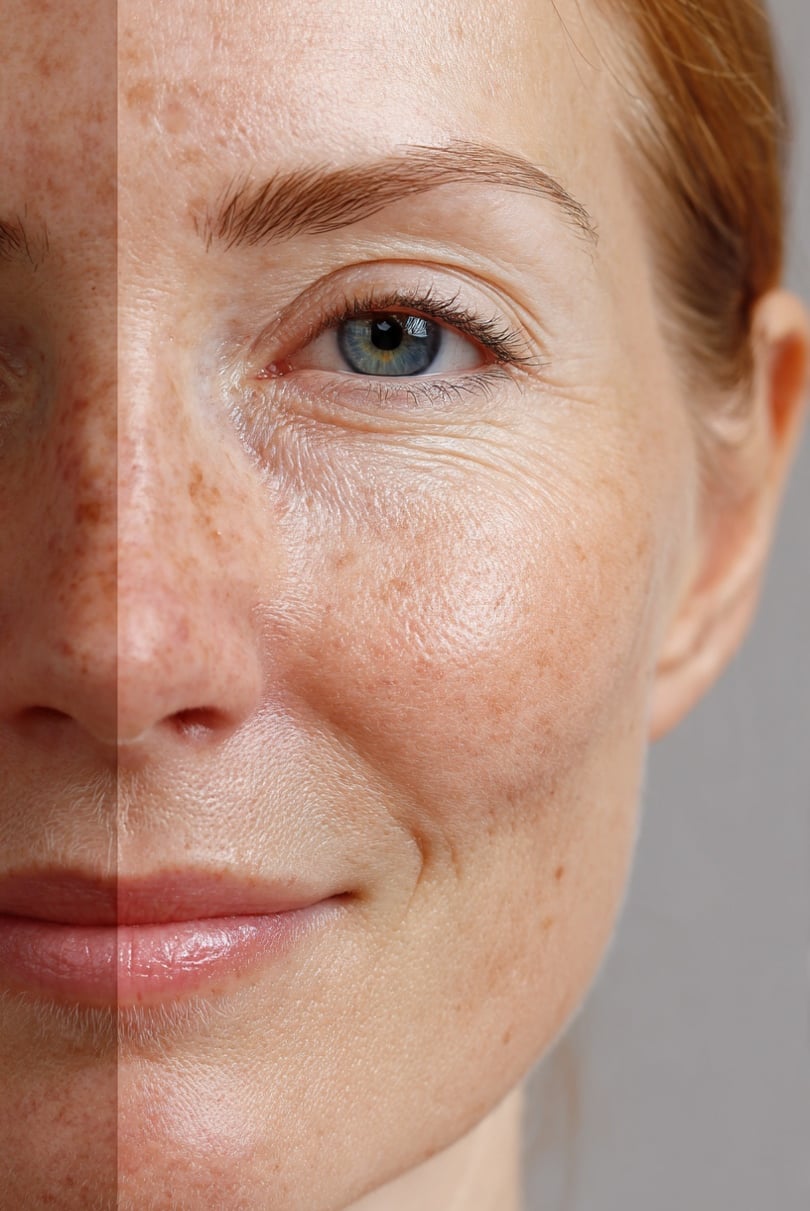
Introduction to the Clean Beauty Debate
In recent years, the clean beauty movement has gained significant traction, marking a shift in consumer preferences within the skincare industry. Derived from a growing awareness of the potential harmful effects of synthetic ingredients, clean beauty champions formulations that emphasize non-toxic, natural components. This burgeoning trend reflects not only a desire for healthier options but also a broader cultural emphasis on wellness, sustainability, and transparency in product formulation.
The clean beauty approach advocates for the use of products that are free from potentially harmful chemicals such as parabens, sulfates, and phthalates. Consumers are increasingly turning their attention towards brands that disclose their ingredient lists and adhere to stringent sourcing practices. Concurrently, consumers seek skincare solutions that align with their values, which often include cruelty-free practices and environmental responsibility. This elevation of consumer consciousness has driven innovation within the beauty sector, leading to a flood of new brands and products claiming to meet the clean beauty criteria.
However, this popularity has sparked debate among industry experts, consumers, and dermatologists regarding the efficacy and safety of clean beauty products compared to traditional chemical skincare. Advocates for chemical formulations argue that synthetic ingredients can provide measurable benefits, such as improved stability, enhanced performance, and longer shelf life. Critics of clean beauty, on the other hand, contend that the labeling of products as "clean" can be misleading and may not always equate to superior safety or performance.
As the clean beauty trend continues to evolve, it prompts essential discussions about what constitutes effective skincare in a market saturated with diverse options. The exploration of both clean and chemical skincare products will shed light on the various factors influencing consumer choices and the future landscape of the beauty industry.
Understanding Clean Beauty: Definitions and Misconceptions
The term "clean beauty" has gained considerable traction over recent years, but with its popularity comes a series of definitions, misconceptions, and confusion within the skincare industry. At its core, clean beauty refers to products that prioritize the health of both consumers and the environment. This includes formulations that are free from harmful chemicals, synthetic fragrances, and potentially toxic ingredients. However, the precise definitions can vary among brands, leading to a degree of ambiguity.
Often, clean beauty is confused with other terms such as "natural" and "organic." While the clean beauty movement advocates for products with safe, non-toxic ingredients, natural and organic products may not always fit this criterion. In fact, some natural ingredients can be irritating or harmful to certain individuals. Therefore, it is crucial for consumers to discern between these labels and understand the specific constituents of a product to ensure they align with their personal values and skin requirements.
Ingredient transparency is a fundamental principle of clean beauty. Brands that adhere to this concept typically disclose all their ingredients, helping consumers make informed decisions. When choosing clean skincare products, it is essential to look for brands that offer clear information about their ingredient sourcing and manufacturing processes. This level of transparency fosters trust and allows consumers to select products that are both effective and environmentally friendly.
Common misconceptions about clean beauty also include the idea that these products are less effective compared to their chemical counterparts. The truth is that many clean formulations utilize scientifically-backed ingredients that can deliver significant results without the detrimental effects of harsh chemicals. As the clean beauty trend continues to evolve, understanding its fundamental definitions and common misperceptions becomes paramount for consumers aiming to make conscientious skincare choices.
Exploring the Benefits of Natural Skincare
As consumers become increasingly aware of the ingredients in their skincare products, natural skincare has emerged as a preferred choice for many. Natural skincare products are often formulated with ingredients derived from plants, minerals, and other organic sources, which can provide numerous advantages over conventional chemical skincare options. One of the primary benefits of these natural ingredients is their gentleness on the skin. Many individuals with sensitive skin find that natural formulations are less likely to cause irritation, redness, or allergic reactions, making them an ideal choice for those with delicate skin types.
Another significant aspect to consider is the environmental impact of natural skincare. Conventional chemical-based products often contain synthetic ingredients that may not only be harmful to human skin but can also contribute to environmental degradation. In contrast, natural skincare options typically use biodegradable components that minimize their ecological footprint. As consumers become more environmentally conscious, selecting products that prioritize sustainability and ethical sourcing is vital. This awareness aligns with the growing interest in clean beauty trends, which focus on transparency and eco-friendly practices.
Moreover, incorporating natural skincare into a holistic routine can yield potential long-term health benefits. Many natural ingredients possess beneficial properties such as antioxidants and vitamins that promote overall skin health and resilience. These components aid in protecting the skin from environmental damage, assisting in repair, and fostering a youthful appearance. By choosing natural products, users are not only investing in immediate skin benefits but also supporting a healthier lifestyle and overall well-being.
In summary, embracing natural skincare is beneficial for the skin's health, aligning with environmentally responsible practices, and fostering a holistic approach to beauty. With the continued rise of clean beauty at the forefront of consumer preference, natural skincare products are poised to play a crucial role in beauty routines moving forward.
Debunking Myths About Chemical-Free Skincare
The growing popularity of chemical-free skincare has led to the emergence of various myths surrounding synthetic ingredients. One of the most prevalent beliefs is that all chemicals are inherently harmful to the skin. However, this perception is misleading. It is important to understand that “chemicals” encompass a vast array of substances, including both natural and synthetic variants. Thus, the term “chemical-free” is often used confusingly, as all products are made up of chemicals, regardless of their origin.
For instance, some natural ingredients, such as essential oils or plant extracts, can cause irritation or allergic reactions in certain individuals. Conversely, many synthetic compounds are scientifically formulated to enhance skin health, offering benefits that naturally derived components may lack. Ingredients like hyaluronic acid, ascorbic acid (vitamin C), and retinol have been widely researched and shown to be effective in treating various skin concerns. These synthetic compounds can deliver noticeable results and work synergistically to promote overall skin health.
Another myth worth addressing is the belief that natural products are always safer. While it is true that synthetic ingredients can pose risks, they undergo rigorous safety testing and regulation before reaching consumers. The regulatory frameworks in place for personal care products, especially in regions like the European Union, ensure that harmful ingredients are minimized or banned altogether. Moreover, many synthetic ingredients are derived from natural sources and then manufactured for improved stability and efficacy in skincare formulations.
By dispelling these myths, consumers can make informed decisions regarding their skincare routines. It is imperative to appreciate that the efficacy of a product lies not in its label as “chemical-free” or “natural,” but rather in the specific ingredients used, their concentrations, and how they interact with individual skin types. Therefore, the notion that all chemicals are detrimental is not only inaccurate but also hinders the recognition of effective skincare solutions available today.
Expert Insights: Clean vs Synthetic Skincare
The debate between clean and synthetic skincare products is ongoing, with numerous experts weighing in on the implications of each approach. Dermatologists often emphasize the importance of understanding the ingredients rather than strictly categorizing products as clean or synthetic. Dr. Sarah Johnson, a leading dermatologist, argues that while clean beauty emphasizes natural ingredients, it does not automatically imply safety or effectiveness. She notes that some natural ingredients can cause allergic reactions, while certain synthetic compounds have been rigorously tested and deemed safe for use.
Dr. Mark Thompson, a research scientist specializing in cosmetic formulations, adds that the effectiveness of skincare primarily hinges on the active ingredients used, rather than their origin. His research suggests that synthetic ingredients can offer targeted solutions, often providing more predictable results compared to their natural counterparts. For instance, hyaluronic acid, a synthetic moisturizer, has been shown in multiple studies to hydrate the skin more effectively than many natural oils.
Furthermore, safety concerns regarding preservatives and additives in synthetic skincare are valid; however, experts like Dr. Emily Chen advocate for consumer education over outright rejection of these products. She points out that many “clean” skincare brands may use alternative preservatives that still raise potential irritation or allergy concerns. Thus, an evidence-based approach to skincare, focusing on ingredient efficacy, should be prioritized over the clean or synthetic label.
Recent studies support the notion that both clean and synthetic products can coexist in a balanced skincare routine. Advocating for tailored solutions, experts stress the need for individuals to consider their unique skin types, concerns, and preferences, rather than adhering to a single skincare philosophy. Ultimately, informed choices, supported by expert insights and research, can lead to effective skincare routines that benefit all skin types.
Evaluating Effectiveness: Do Chemical Actives Deliver Superior Results?
As consumers increasingly seek transparency in their skincare routines, the debate between clean beauty products and chemical formulations remains prominent. The effectiveness of chemical actives in traditional skincare has been a key factor in their popularity. Ingredients such as retinoids, alpha hydroxy acids (AHAs), and beta hydroxy acids (BHAs) are often lauded for their scientifically-backed benefits, which include enhanced collagen production, improved skin texture, and significant reductions in acne and pigmentation issues.
Chemical actives are known to provide quick and noticeable results due to their ability to penetrate deeper layers of the skin and promote cellular turnover. For instance, retinoids are widely recognized for mitigating signs of aging by accelerating skin renewal processes. Similarly, AHAs and BHAs are effective in exfoliating the skin, leading to a brighter complexion and the treatment of clogged pores. These immediate results are appealing to many consumers, leading them to favor traditional, chemical-laden products.
On the other hand, clean beauty brands often utilize natural and organic ingredients that may take longer to yield visible effects. Many consumers may find themselves questioning whether the slower but gentler approach of clean formulations can deliver comparable outcomes to those achieved through potent chemical ingredients. While clean beauty advocates often promote their products for being less irritating and more suitable for sensitive skin, the challenge remains in proving similar efficacy in addressing various skin concerns, such as acne prevalence or wrinkle reduction.
Research indicates that both clean beauty and chemical skincare can coexist within the consumer's routine. Ultimately, the choice often boils down to individual skin types, preferences, and needs. Some consumers may thrive with chemical actives, while others may find solace in the gentler approaches of clean beauty. Understanding the effectiveness of each category is critical for making informed skincare choices.
Conclusion: Making Informed Choices for Your Skincare Routine
As we navigate the evolving landscape of skincare, understanding the distinction between clean beauty trends and chemical skincare is essential for making informed choices. The rise of clean beauty has brought forth a new paradigm focused on transparency, safety, and sustainability, attracting consumers seeking healthier alternatives. On the other hand, chemical skincare, although sometimes stigmatized, offers scientifically formulated products that can address specific skin concerns with efficacy.
When evaluating products, it is crucial to discern the ingredients and their purposes. Look for reputable brands that provide clarity on sourcing, manufacturing, and the inclusion of potential allergens or irritants. Checking for certifications, such as cruelty-free or organic labels, can also aid in selecting products that align with personal values. It is advisable to read customer reviews and consult dermatologists or skincare professionals to understand how a product may react with individual skin types.
A balanced approach to skincare is recommended, where individuals can thoughtfully integrate both clean and synthetic products. This hybrid method allows for harnessing the natural benefits of clean ingredients while also utilizing the proven efficacy of chemical components. Regularly reassessing one’s skincare routine, adapting to changing skin needs, and being open to experimenting with different formulations can enhance overall skin health.
Ultimately, making informed choices in skincare involves being educated about the products one uses, understanding personal skincare goals, and acknowledging the impact of both clean and chemical options. By fostering awareness and promoting thoughtful integration, individuals can cultivate a skincare regimen that supports their unique needs while also embracing the best of both worlds.